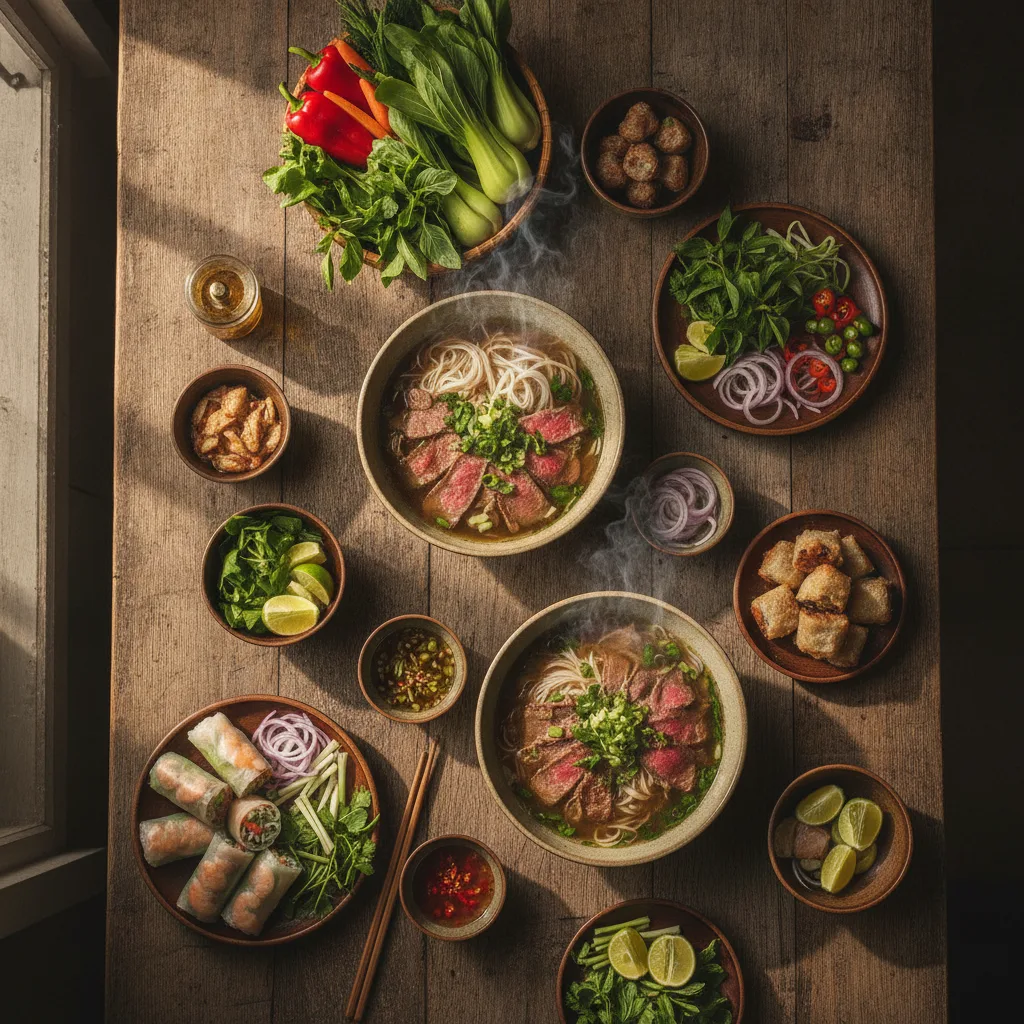
Vietnamese cuisine and health form a combination that nutritionists and culinary experts around the world regularly hold up as an example. Light, fragrant, rich in plant-based ingredients and low in fat, this ancient cuisine appeals to both the palate and doctors alike.
But beyond the hype, what do the facts really tell us? Which foods should we prioritise, which should we consume in moderation, and how can we make the most of its benefits in our daily lives? This article provides a clear and thorough overview, drawing on reliable sources.
Vietnamese cuisine and health | What the science really says
Reading time: ~9 mins
- Why Vietnamese cuisine and health go hand in hand
- The main health benefits of Vietnamese cuisine
- The ingredients and techniques that make all the difference
- Vietnamese dishes to prioritise and those to eat in moderation
- Key points to bear in mind
- How to eat healthy Vietnamese food every day
- Conclusion: Vietnamese cuisine – a natural ally for your health
- FAQ
Why Vietnamese cuisine and health go hand in hand
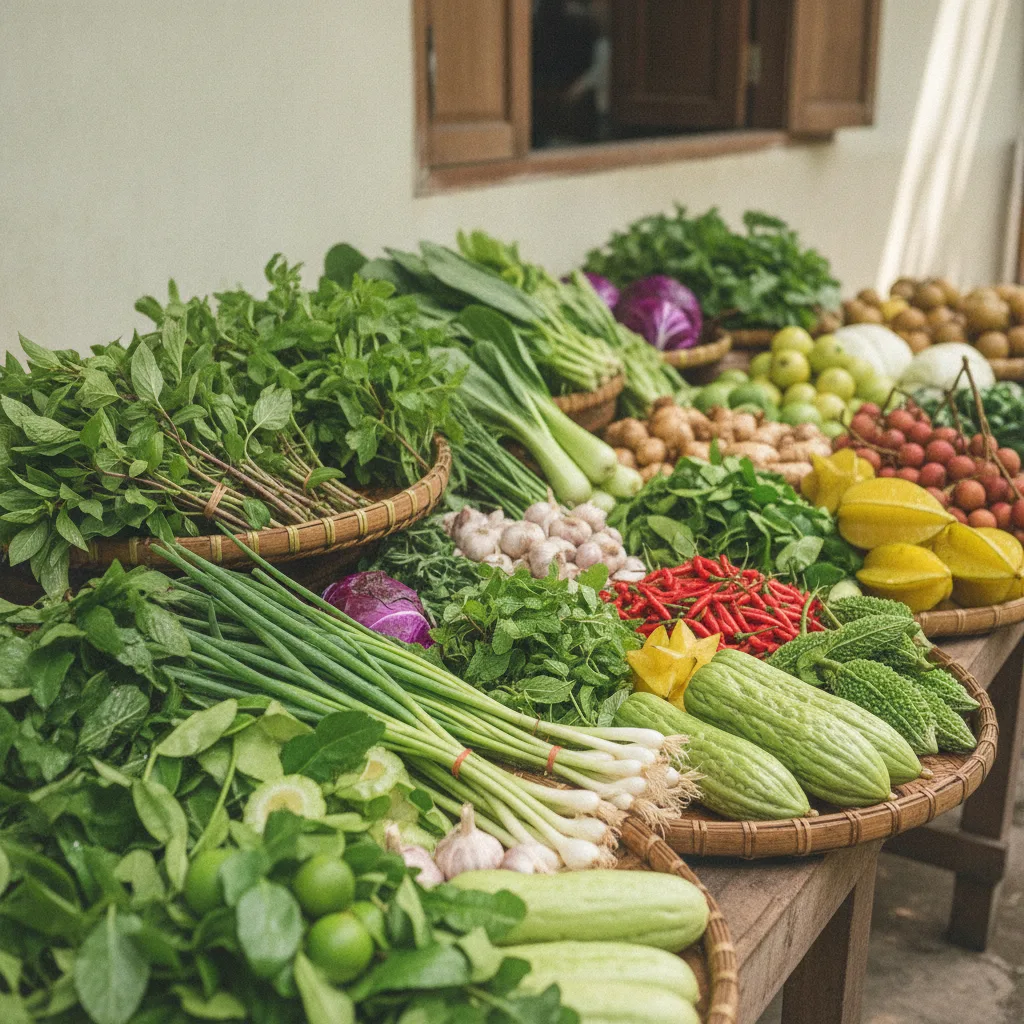
Vietnamese cuisine is regularly ranked amongst the healthiest and most balanced cuisines in the world. This reputation is based on solid foundations: a base of rice and rice noodles rather than high-fat dishes, an abundance of fresh vegetables and aromatic herbs, and cooking methods that preserve nutrients without making the dishes heavy.
Clear broths, steaming, stir-frying over a high heat with a little oil, and grilling are the main techniques used in this cuisine. As a result, a full Vietnamese meal typically contains around 600 to 700 kilocalories, compared with 900 to 1,100 kilocalories for a typical Western meal. Nutrition experts and specialist media outlets emphasise that this type of diet, centred on local cereals, pulses, vegetables and fish, offers measurable protection against several chronic diseases, notably type 2 diabetes and cardiovascular conditions.
In Vincennes and in eastern Paris, the Mây Bay restaurant embodies this philosophy every day: 100% vegetarian and vegan Vietnamese cuisine, prepared using fresh produce, in a contemporary setting designed to promote relaxation and well-being.
The main health benefits of Vietnamese cuisine
Low calorie density and weight management
Healthy Vietnamese dishes are low in calories but high in fibre, which helps you feel full without weighing down your digestion. Raw or lightly cooked vegetables, fresh herbs and flavourful broths make up the bulk of the meal, leaving little room for hidden fats. For those watching their weight or seeking a balanced diet without sacrificing flavour, this is a considerable advantage.
Cardiovascular health and lipid profile
Vietnamese cuisine is naturally low in saturated fat. It does not involve cooking with butter or lard: vegetable oils are used in moderation, and the preferred cooking methods — boiling, steaming and grilling — require almost none at all. This characteristic helps to improve the lipid profile and to to lower cholesterol levels, thanks to the abundance of vegetables, soluble fibre and, in traditional cuisine, fish rich in omega-3. Asian diets rich in plant-based foods have been shown to reduce the risk of cardiovascular disease.
Antioxidants, vitamins and protective effects
Aromatic herbs — coriander, mint, Thai basil, lemongrass, chilli and star anise — are not merely garnishes. They provide vitamins A and E, bioactive compounds and antioxidants that support the immune system and help prevent cellular ageing. The spices used in pho or noodle soup broths offer these protective benefits with every bowl.
Digestion, gut microbiota and gut health
Ginger, lemongrass and coriander aid digestion and relieve certain forms of digestive inflammation. Vietnamese cuisine also incorporates fermented products such as nuoc mam or fish sauces, which nourish the gut microbiota and boost immunity. These fermented foods are now recognised by nutritional research as valuable allies for digestive health.
Gluten-free compatibility
Vietnamese cuisine is based on rice as a staple food, which makes it naturally gluten-free, with the exception of a few specific dishes such as bánh mì, which contains wheat. Rice noodles, rice cakes and broths are all suitable for a gluten-free diet. This characteristic is a real advantage for people who are gluten-intolerant or sensitive to gluten, and a key selling point for restaurant owners looking to expand their customer base.
The ingredients and techniques that make all the difference
Here is a comparative overview of the main cooking techniques used in Vietnamese cuisine and their impact on the nutritional value of dishes.
| Cooking method | Examples of dishes | Fat intake | Nutrient retention |
|---|---|---|---|
| Flavoured stock | Pho, noodle soup | Very low | Excellent |
| Steam | Ravioli, vegetables, fish | None | Very good |
| Quick stir-fry | Stir-fried vegetables, tofu | Low to moderate | Good |
| Grill or plancha | Lean meats, fish | Low | Good |
| Deep-frying | Fried spring rolls, fritters | High | Variable |
The cornerstones of this cuisine are rice and rice noodles — a gluten-free, minimally processed source of carbohydrates —, a wide variety of vegetables in generous quantities, fresh aromatic herbs, lean proteins and clear broths flavoured with spices. At Mây Bay, these ingredients are used to create a fully plant-based version: the Bun Cha Gio, for example, combines rice vermicelli with crispy vegetable spring rolls, served with fresh herbs and a light sauce.
Vietnamese dishes to prioritise and those to eat in moderation
The healthiest dishes to order in a restaurant
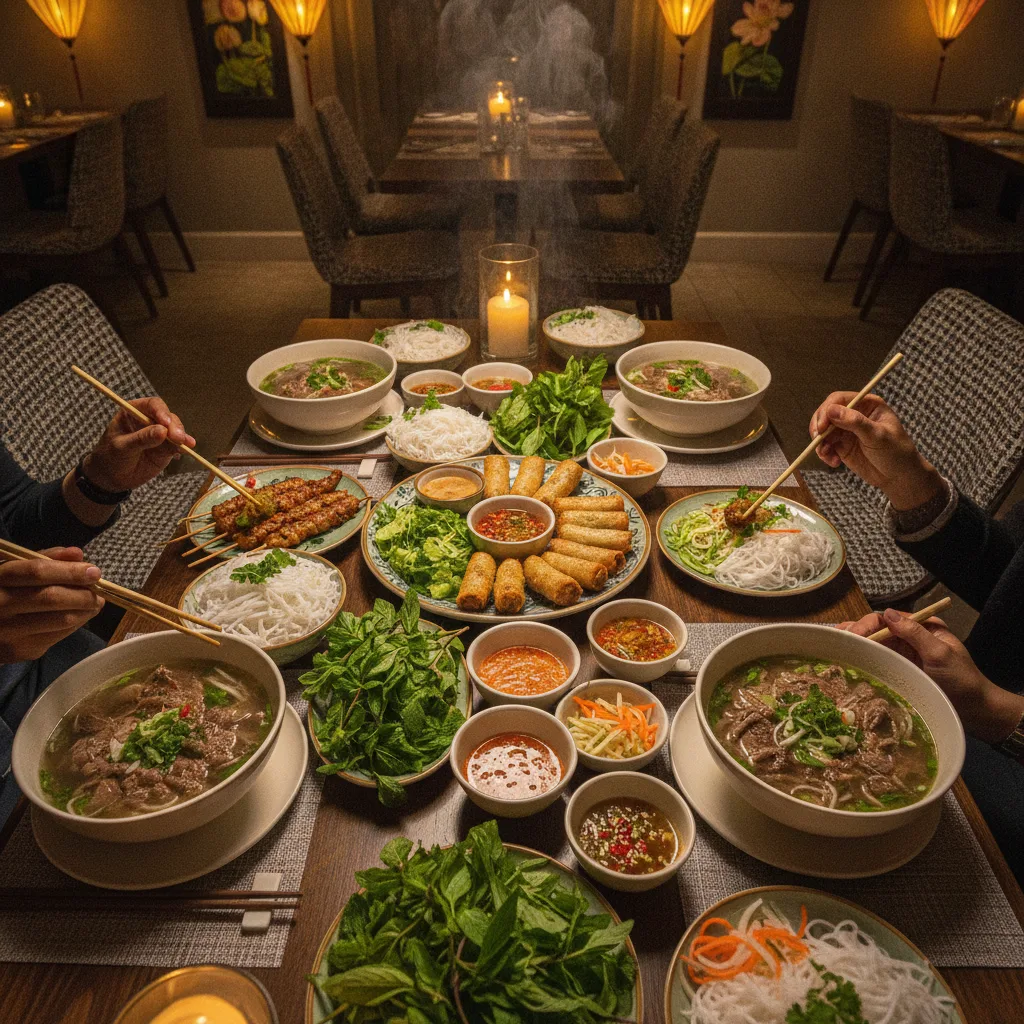
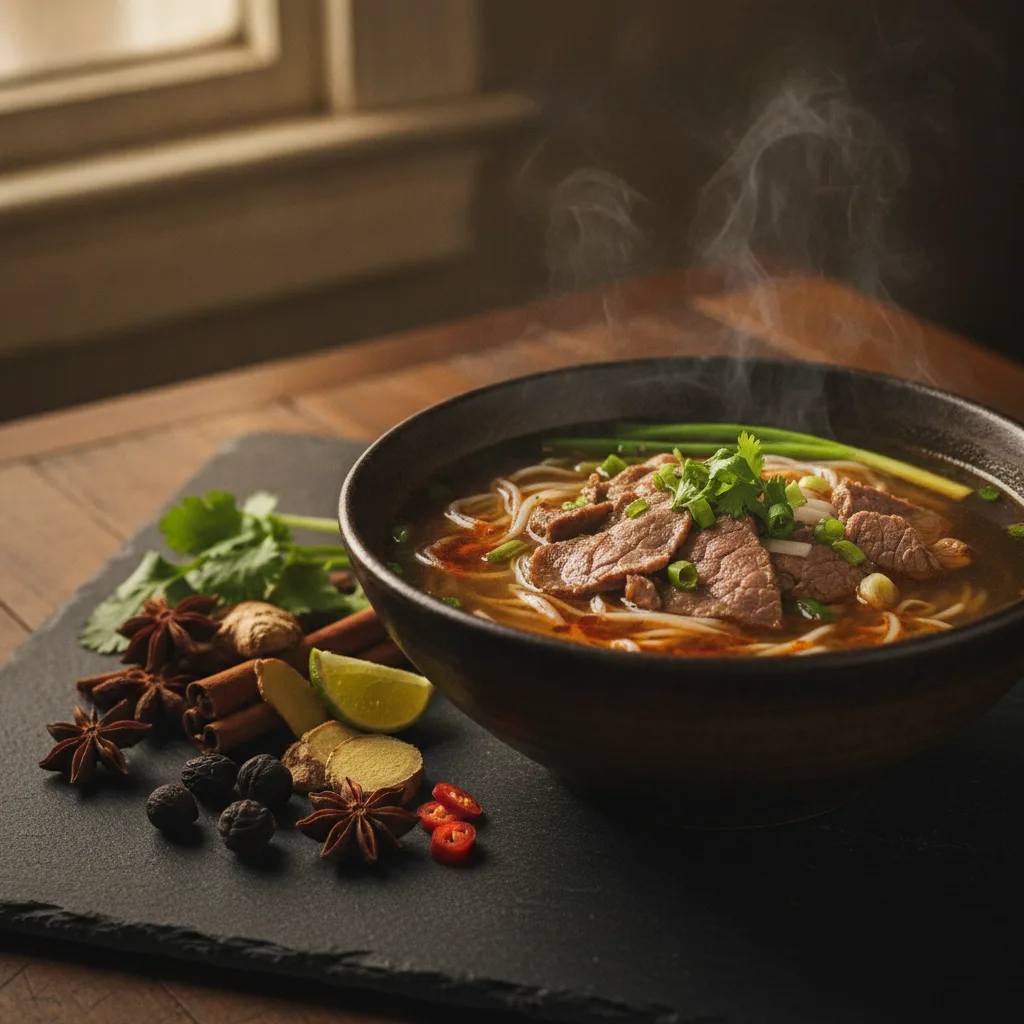
Several travel guides and specialist websites agree on a list of Vietnamese dishes that are particularly recommended from a nutritional point of view. Pho is ranked amongst the world’s most delicious and healthiest dishes According to *Le Courrier du Vietnam* and several culinary experts: a rice noodle soup in a fragrant broth rich in antioxidant spices, it is both light and nourishing. Fresh spring rolls (gỏi cuốn) combine rice paper, raw vegetables, herbs and lean protein with very little fat. Bowls of rice vermicelli with herbs and grilled protein, Vietnamese salads and steamed fish round off this list.
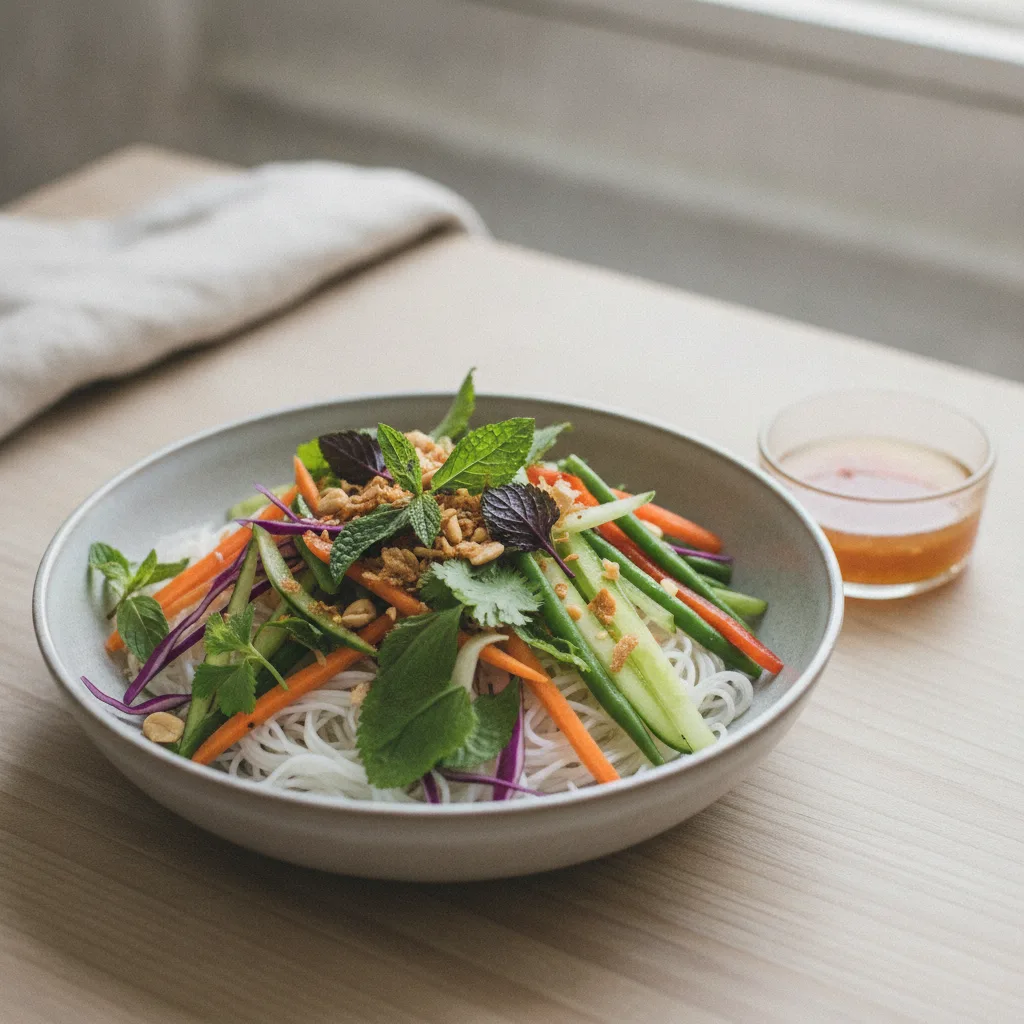
At Mây Bay, the Goi May Bay, a fresh and colourful vegetable salad, and the Ha Cao, steamed vegetable dumplings, perfectly illustrate this philosophy of eating well without compromising on taste.
Good to know — Vegan pho, made with a vegetable stock flavoured with star anise, cinnamon and ginger, retains all the antioxidant benefits of traditional pho, without any animal protein. An ideal choice for flexitarians and vegans.
Dishes to be eaten in moderation
Some Vietnamese dishes are best eaten in moderation, particularly if you are aiming to lose weight or maintain a healthy metabolism. Spring rolls are high in fat and calories, fried rice contains more fat than plain rice, and dishes with sweet or very salty sauces can affect blood sugar levels and blood pressure. Desserts made with coconut milk and tapioca are delicious but high in calories and saturated fat, so they’re best saved for special occasions.
Key points to bear in mind
Monosodium glutamate in Vietnamese cuisine
The use of monosodium glutamate, known as Mi Chinh or Bột Ngọt in Vietnam, is very widespread in the catering industry. In some sensitive individuals, this compound can cause a range of symptoms sometimes referred to as «Chinese restaurant syndrome»: a burning sensation, headaches or stomach aches, within twenty minutes of consumption. If this applies to you, it is advisable to ask for dishes prepared without added glutamate. At Mây Bay, the food is prepared using fresh, home-made ingredients, which allows for better control over the additives used.
Excess salt, sugar and fat
As in any kitchen, some establishments may increase the amounts of salt, sugar or oil used to enhance flavours, at the expense of the dishes’ nutritional value. The best way to ensure this is to choose a restaurant that cooks fresh, to order, using high-quality, traceable ingredients.
Key points — Vietnamese cuisine is naturally healthy in its traditional form. It is the way it is prepared in restaurants that makes the difference: fresh ingredients, gentle cooking methods and the absence of additives are the key factors to look for when choosing a restaurant.
How to eat healthy Vietnamese food every day
Incorporating Vietnamese cuisine into your daily life doesn’t mean you have to completely change your habits. When eating out, opt for soups and broths as starters, steamed or grilled dishes, bowls of vermicelli with herbs and vegetables, and fresh spring rolls rather than fried ones. Limit dishes with sweet sauces and fried foods. Finish with green tea or a herbal tea rather than a sweet dessert if you’re watching your calorie intake.
For people who regularly eat out at lunchtime – as is the case for many workers in eastern Paris – a vegetarian Vietnamese restaurant such as Mây Bay offers a healthy, quick and tasty alternative to the canteen or a sandwich for lunch. The takeaway option is also available for those who are short of time: you order in advance, and your meal will be ready at the time you choose.
Whether you’re a flexitarian, vegan, gluten-intolerant or simply keen to eat better without sacrificing enjoyment, Vietnamese cuisine offers a practical and accessible solution. In Vincennes, Mây Bay is the most direct embodiment of this: a place to enjoy fresh, healthy dishes in a contemporary setting designed for relaxation.
Conclusion: Vietnamese cuisine – a natural ally for your health
Vietnamese cuisine is undoubtedly one of the healthiest cuisines in the world, and this is no passing fad. Its foundations — an abundance of plant-based ingredients, gentle cooking methods, aromatic herbs, fragrant stocks and low calorie content — make it a natural ally for cardiovascular health, weight management, good digestion and a solid intake of antioxidants. There are a few things to watch out for, such as the use of MSG or excessive salt in some establishments, but these can easily be avoided by choosing a restaurant that serves fresh, home-cooked food. At Mây Bay in Vincennes, this philosophy lies at the heart of every dish.
FAQ
Is pho really good for you?
Yes, pho is considered one of the healthiest dishes in Asian cuisine. Its aromatic broth, made with spices such as star anise, cinnamon and ginger, is rich in antioxidants and low in fat. Rice noodles are gluten-free and low in calories. Vegan pho, made with a vegetable stock, retains all these benefits.
Is Vietnamese cuisine suitable for people with a gluten intolerance?
For the most part, yes. Vietnamese cuisine is based on rice and rice noodles, which are naturally gluten-free. Soups, fresh spring rolls, salads and steamed dishes are generally suitable. Only a few specific dishes, such as bánh mì made with a wheat baguette, should be avoided.
How many calories are there in a typical Vietnamese meal?
A full Vietnamese meal — soup or salad as a starter, followed by a main course of rice or vermicelli with vegetables and protein — usually contains around 600 to 700 kilocalories. This is significantly less than a typical Western meal, which can contain between 900 and 1,100 kilocalories.
Is glutamate in Vietnamese cuisine dangerous?
Monosodium glutamate is a flavour enhancer used in many Asian cuisines. In some sensitive individuals, it can cause headaches or temporary digestive discomfort. It is not considered harmful to general health, but if you are sensitive to it, it is best to choose a restaurant that cooks with fresh ingredients and no additives.
Which Vietnamese dishes should you avoid if you’re watching your weight?
Fried dishes such as spring rolls, fried rice, dishes in sweet sauce and desserts made with coconut milk and tapioca should be eaten in moderation if you are trying to manage your weight. Opt instead for clear broths, steamed dishes, fresh spring rolls and bowls of vermicelli with herbs.
Is it possible to eat Vietnamese food regularly as part of a balanced diet?
Absolutely. Vietnamese cuisine is one of the best suited to a balanced daily diet, provided you opt for steamed dishes, broths and dishes made with fresh vegetables. Its low calorie content, favourable fat profile and high fibre and antioxidant content make it a sensible choice for an everyday lunch. You can book a table at Mây Bay or visit the full restaurant menu to see all the dishes on offer.