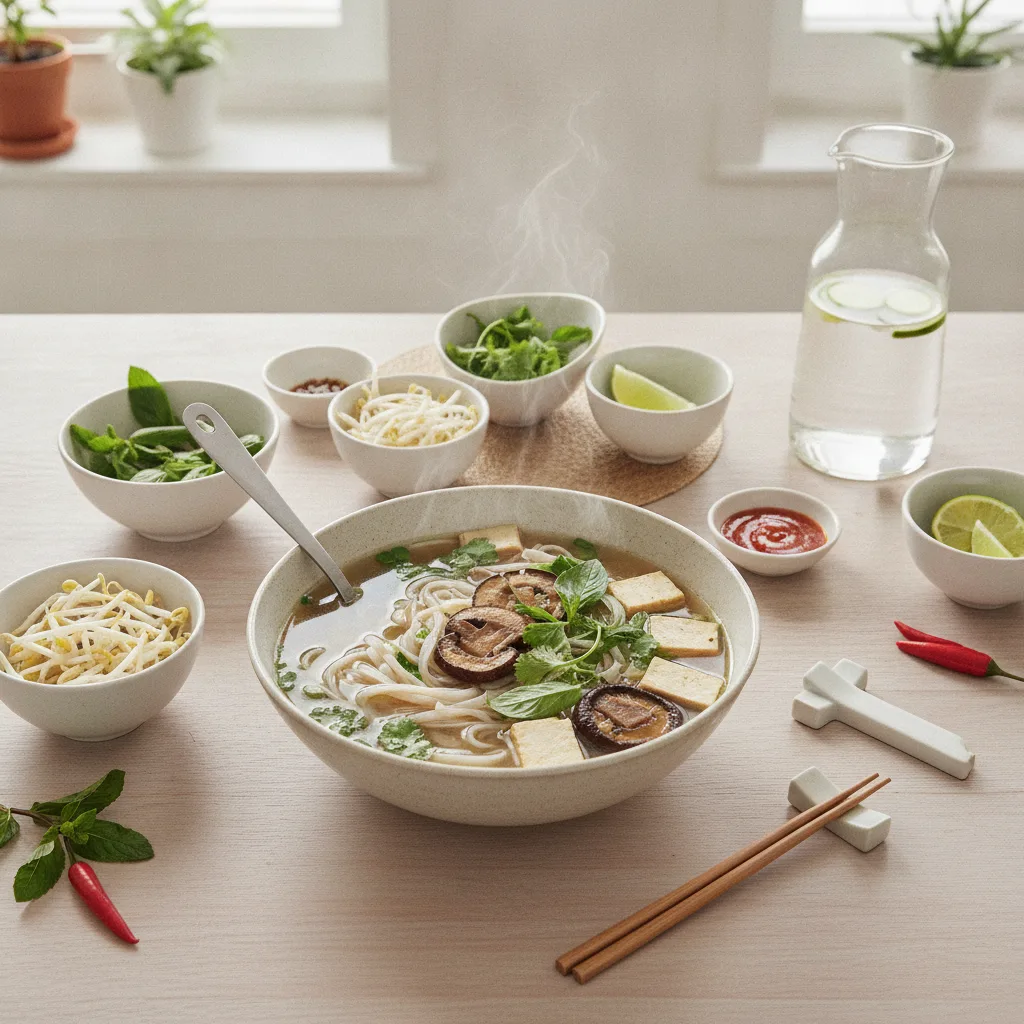
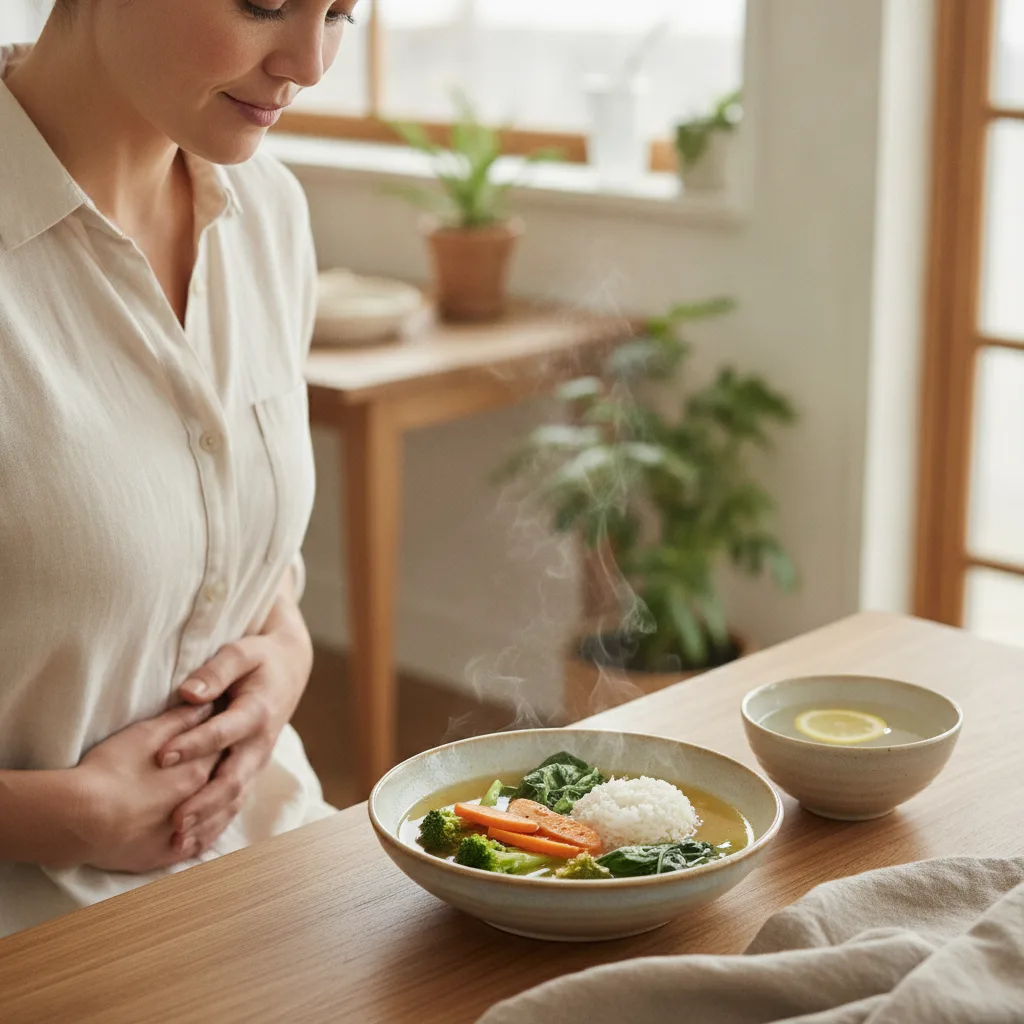
Bloating after an overly rich meal, heaviness in the early afternoon, an unpredictable digestive system: many of you are now looking for food that does you good without weighing you down, and are wondering how to combine a plant-based diet with good digestion.
The link between a plant-based diet and digestion is real, but it requires nuance. Soluble fibre, cooking, variety of ingredients and hydration each play a role. Vietnamese plant-based cuisine, with its broths, fresh herbs and ginger, is a good illustration of this gentle approach. Here is what you need to know in 2026 to eat plant-based without discomfort.
Reading time: about 7 minutes
Plant-based eating and digestion: Vietnam’s advantage
- What is the link between a plant-based diet and digestion?
- Soluble fibre and insoluble fibre: what is the difference?
- Why is Vietnamese plant-based cuisine easy on the stomach?
- Legumes and bloating: how can they be better tolerated?
- How can you start a plant-based diet without bloating?
- How much fibre and hydration?
- What we offer at Restaurant Mây Bay
- Eat plant-based without daily discomfort
- FAQ
What is the link between a plant-based diet and digestion?
A plant-based diet is based on vegetables, fruit, pulses, cereals, nuts and seeds. According to Assurance Maladie (ameli.fr), these foods are the main sources of dietary fibre. It is precisely this fibre that accounts for most of the effect of plant foods on intestinal transit.
Does a plant-based diet improve digestion? It can promote regular bowel movements, provided it is varied, introduced gradually and accompanied by sufficient hydration. The effect also depends on individual digestive tolerance. A sudden switch from a low-fibre diet to a plate very rich in pulses or raw vegetables can instead cause bloating and flatulence. Plant-based food is therefore neither automatically beneficial nor problematic: it all depends on how it is prepared and consumed.
Soluble fibre and insoluble fibre: what is the difference?
Two complementary types of fibre
Not all fibre acts in the same way. Assurance Maladie distinguishes two main families. Soluble fibre dissolves in water and forms a kind of gel. It is generally gentler on the intestines, slows digestion, prolongs satiety and is more extensively fermented by the gut microbiota. It is found notably in oats, barley, fruit, vegetables and pulses.
Insoluble fibre, found in wholegrain cereals, seeds, nuts and the skin of certain plant foods, increases stool volume and facilitates transit. However, it may be less well tolerated by sensitive people and promote gas.
| Criterion | Soluble fibre | Insoluble fibre |
|---|---|---|
| Behaviour in water | Dissolve and form a gel | Do not dissolve |
| Main effect | Slow digestion and prolong satiety | Increase stool volume and facilitate bowel movements |
| Link with the microbiota | More extensively fermented by colonic bacteria | Less fermented |
| Tolerance | Generally gentler on the gut | May promote gas and bloating in sensitive people |
| Common sources | Oats, barley, fruit, vegetables, pulses | Whole grains, seeds, nuts, skin of certain plants |
Some fibre is not digested in the small intestine. It reaches the colon, where it serves as a substrate for gut bacteria. This colonic fermentation produces short-chain fatty acids, compounds associated with the proper functioning of the microbiome. This is the link between a plant-based diet and the microbiome, but it is also the cause of gas when fibre intake increases too quickly. Fibre diversity therefore matters more than a single «superfood».
Why is Vietnamese plant-based cuisine easy on the stomach?
Gentle and varied plant-based cooking
Vietnamese cuisine has a long plant-based tradition, particularly through Buddhist vegetarian cuisine, known as chay. Several of its principles align with general advice for a digestible plant-based meal.
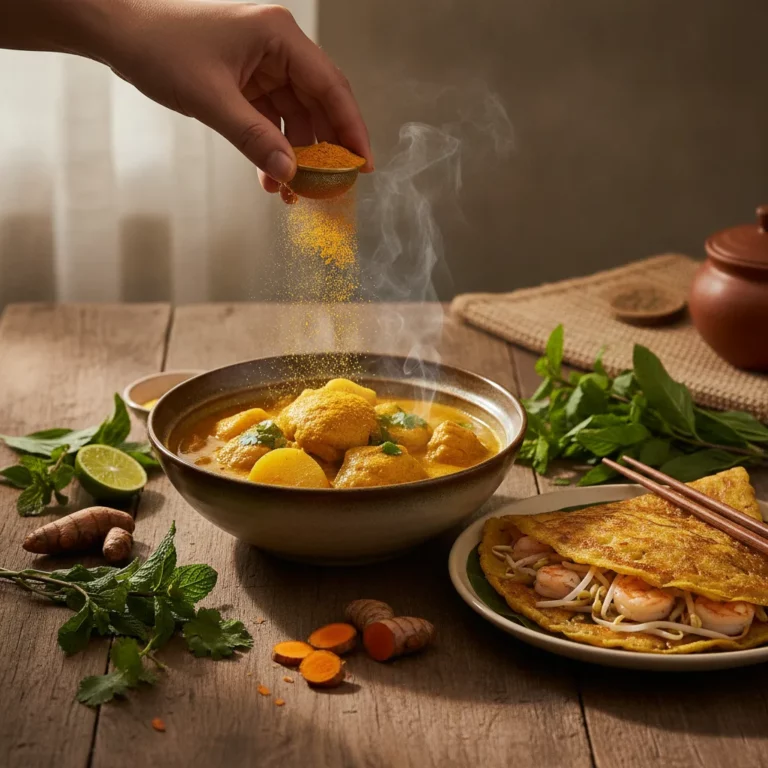
Gentle cooking plays a central role. Steaming, simmering and broth-based cooking take precedence over systematic frying. Vegetables cooked in a flavourful vegetable broth, as in a plant-based phở or noodle soup, become more tender. Rice and rice noodles provide a simple cereal base, well tolerated by most people.
Fresh aromatic herbs—mint, coriander and Thai basil—add flavour without weighing the dish down with rich sauces. Ginger, lemongrass and mild spices add fragrance without irritation. Ginger has traditionally been associated with digestive comfort in many Asian cuisines. We remain cautious, however: these are culinary uses, not demonstrated medical properties for every dish.
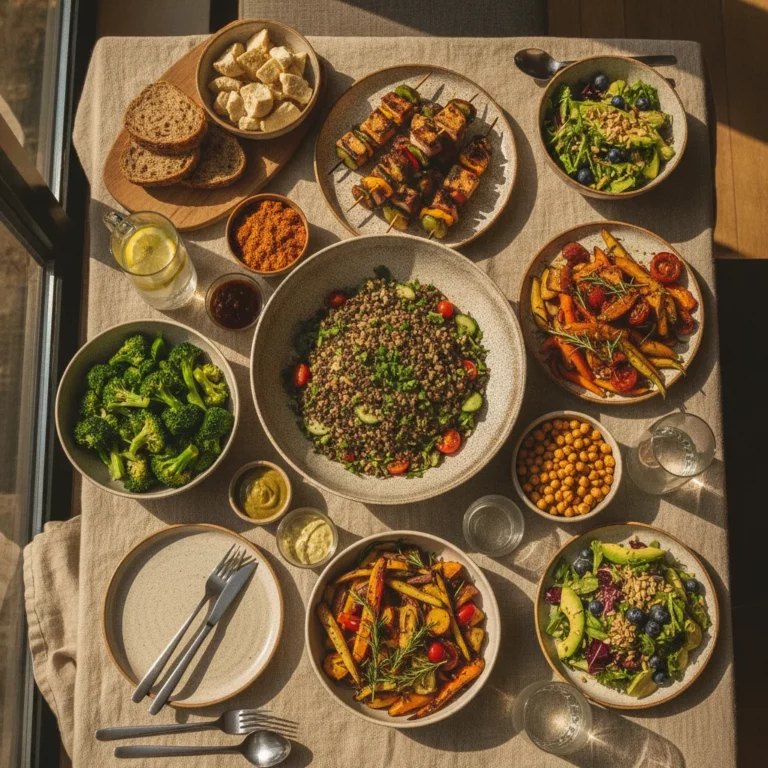
Finally, the Vietnamese plate is naturally varied. The same meal often combines cooked vegetables, some raw vegetables, herbs, tofu and rice. This diversity of fibre sources corresponds to what nutrition organisations recommend, rather than a massive portion of a single food.
Key points
The lightness of Vietnamese plant-based cuisine is mainly due to three elements: gentle cooking, the role of broths and the variety of plant foods on the same plate. Herbs and ginger add flavour without unnecessary fat.
Legumes and bloating: how can they be better tolerated?
Lentils, chickpeas, beans and peas are rich in fibre and plant-based protein. They also contain fermentable carbohydrates, which bacteria in the colon use to produce gas. This is why pulses sometimes cause bloating, especially when introduced quickly or consumed in large quantities.
To tolerate them better, several general approaches are often suggested:
- start with small portions and gradually increase the frequency
- choose well-cooked pulses and rinse tinned ones
- alternate with tofu or tempeh, made from soya but processed
- observe your own digestive tolerance, which varies from person to person
Tofu and digestion often go hand in hand, as its production modifies the structure of soya. In Vietnamese cuisine, it is frequently served in a broth or lightly stir-fried, making it a generally well-tolerated source of plant-based protein. This advice is general and does not replace the advice of a healthcare professional in the event of persistent problems.
How can you start a plant-based diet without bloating?
Increasing fibre step by step
The key is to increase your fibre intake gradually. Rather than changing all your meals at once, gradually add a portion of pulses, wholegrains or seeds. Your gut microbiota adapts more easily to a gradual change.
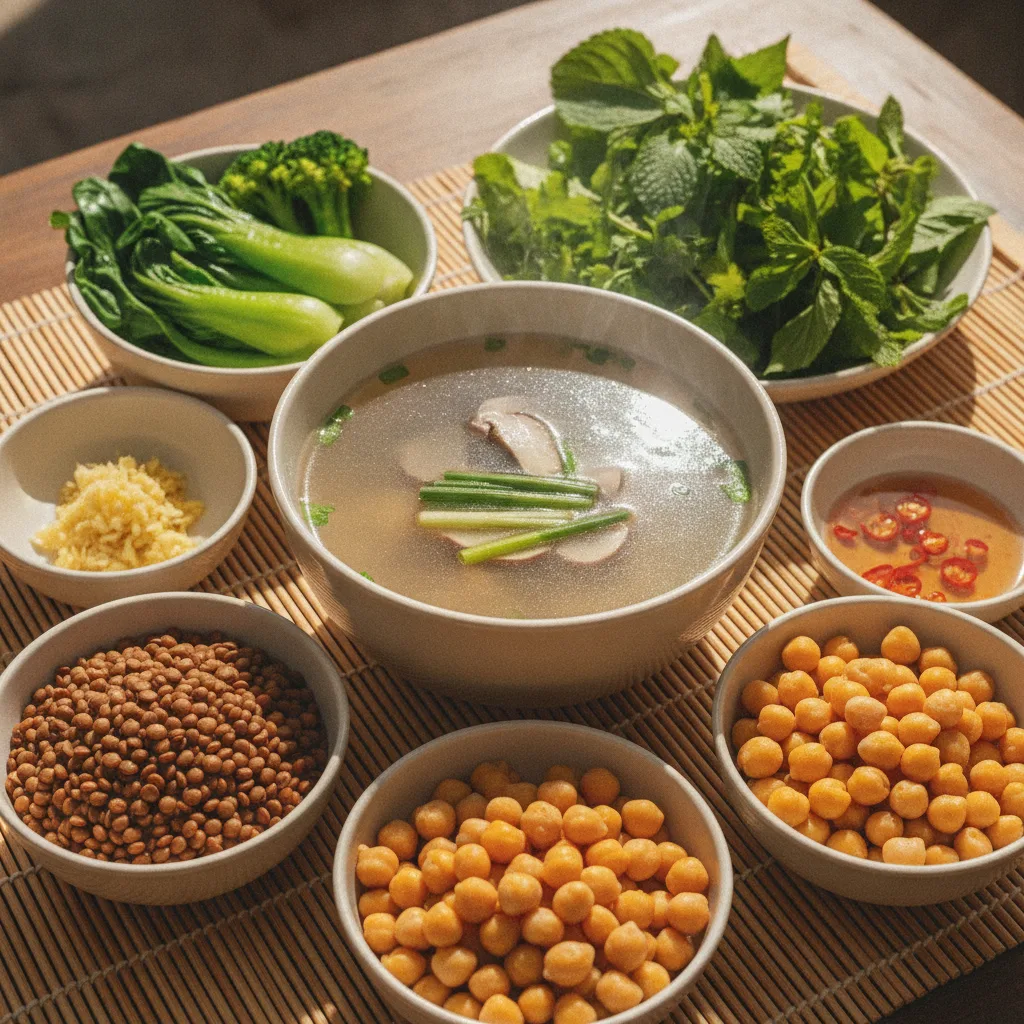
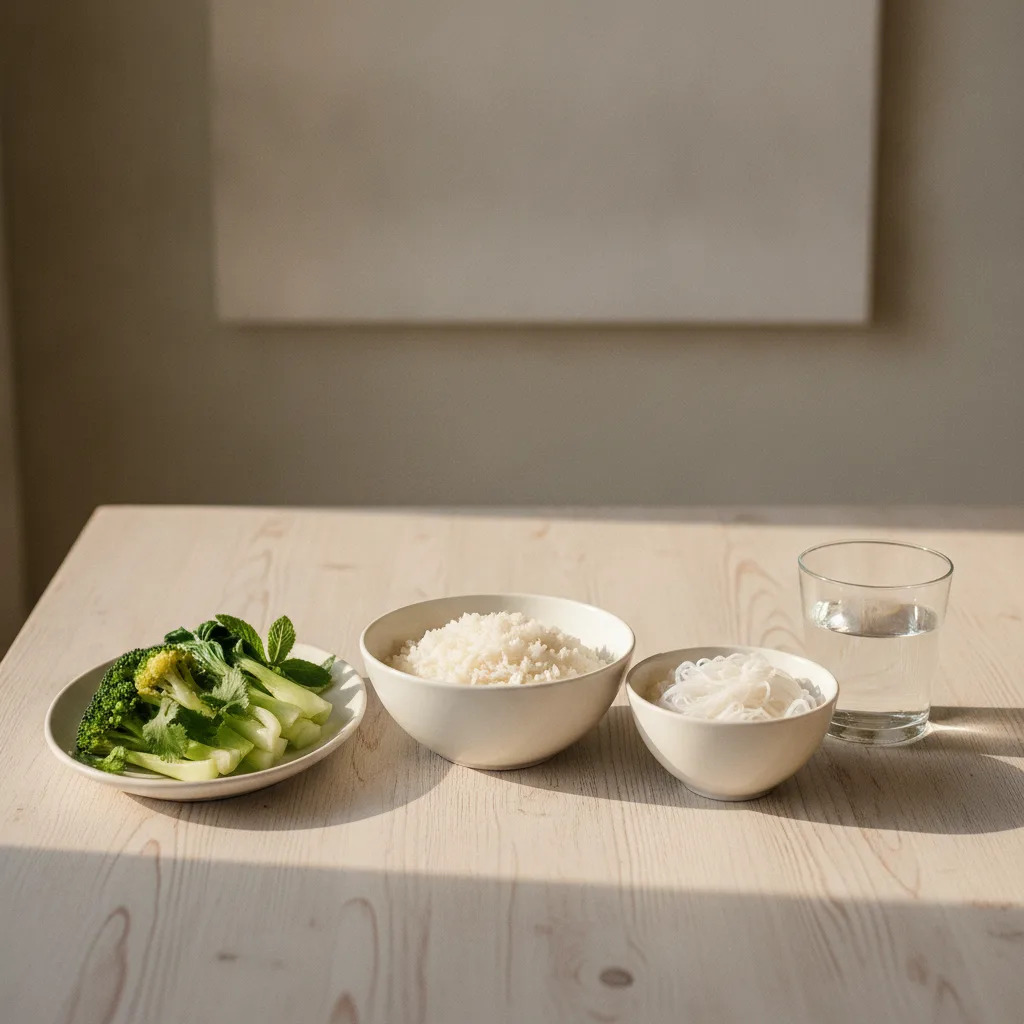
Are cooked vegetables easier to digest than raw vegetables? For many sensitive people, yes. Cooking softens the fibre and makes vegetables easier to chew and digest. Raw vegetables do not need to be avoided, but it may be helpful to reintroduce them gradually if you experience bloating. This is one reason why light Vietnamese vegetarian dishes often combine a cooked base with a few herbs or raw vegetables on the side.
Some people are also sensitive to onions and garlic, which are rich in fermentable carbohydrates. In a restaurant, asking for a dish to be customised without onion or garlic can be a solution. Ingredient transparency and allergen information are then essential for making an informed choice.
How much fibre and hydration?
The EFSA, the European Food Safety Authority, recommends that adults consume at least 25 g of fibre per day, as highlighted by EUFIC (the European Food Information Council). This fibre should ideally come from a variety of sources: wholegrains, vegetables, fruit, pulses, nuts and seeds.
Should you drink more when you eat more fibre? Yes. Fibre needs water to function properly, particularly when it increases stool volume. The French national health insurance service recommends drinking at least six glasses of water per day as part of consuming soluble fibre. Without sufficient hydration, an increase in fibre can instead slow bowel transit.
Good to know
Broths and infusions count towards your daily hydration. A noodle soup with vegetable broth or a hot infusion at the end of a meal contributes to your fluid intake.
What we offer at Restaurant Mây Bay
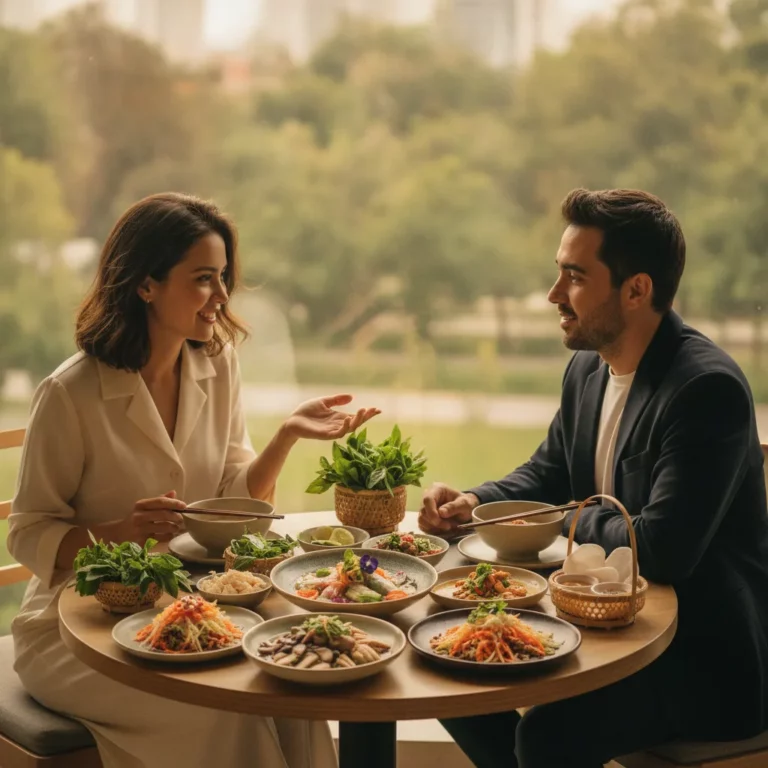
At Mây Bay Restaurant, our Vietnamese cuisine is 100 % vegetarian and vegan. Our concept is based on combining a place to enjoy fresh, healthy dishes with a contemporary setting for relaxation. For those looking for a Vietnamese vegan restaurant attentive to digestive comfort, several of our dishes rely on gentle cooking.
Our Mây Bay Delight, homemade satay soup, combines vegetable broth, rice noodles, tofu and shiitake. Mây Bay Hu Tieu follows the same noodle soup tradition. Ha Cao, vegetable dumplings, and the Banh Cuon, Vietnamese rice crêpe, are steamed preparations. Bun Cha Gio, vermicelli with spring rolls, combines rice vermicelli, fresh herbs and crispy vegetable spring rolls. The Goi Mây Bay, vegetable salad, adds a touch of freshness. As for drinks, our infusions with lemongrass and goji berries, honey, ginger and lime, chrysanthemum flowers, or dates and longans complete the meal.
If you have a particular sensitivity, please do not hesitate to ask our team about the composition of the dishes and possible adjustments. We prefer to talk about ingredients and preparation methods rather than health promises.
Eat plant-based without daily discomfort
The link between plant-based eating and digestion is primarily based on fibre, its diversity and how it is incorporated. A gradual transition, good hydration, a preference for cooked vegetables when the gut is sensitive and paying attention to individual tolerance make it possible to enjoy plant foods without discomfort. Plant-based Vietnamese cuisine, with its broths, steamed dishes, rice, tofu and fresh herbs, offers a practical and delicious way to apply these principles every day.
FAQ
Can a vegetarian diet cause constipation?
This can happen, especially if fibre intake increases without a corresponding increase in hydration. Drinking enough and varying fibre sources generally helps restore regular bowel movements. If the problems persist, medical advice is recommended.
Are rice and rice noodles easy to digest?
Rice and rice noodles are simple starchy foods that are generally well tolerated. They provide a good basis for a digestible plant-based meal, particularly for people who are just starting out or who have a sensitive gut.
Are fresh herbs helpful for digestion?
Mint, coriander and Thai basil mainly add flavour and freshness without adding fat. Their main benefit is culinary: they allow a dish to be enhanced without a heavy sauce.
Is a vegan meal at a restaurant suitable before an afternoon meeting?
A plant-based meal based on broth, cooked vegetables, tofu and rice is often perceived as lighter than a dish rich in sauces. Choosing a reasonable portion and avoiding having lots of raw vegetables and pulses in a single meal can limit the feeling of heaviness.