Introduction
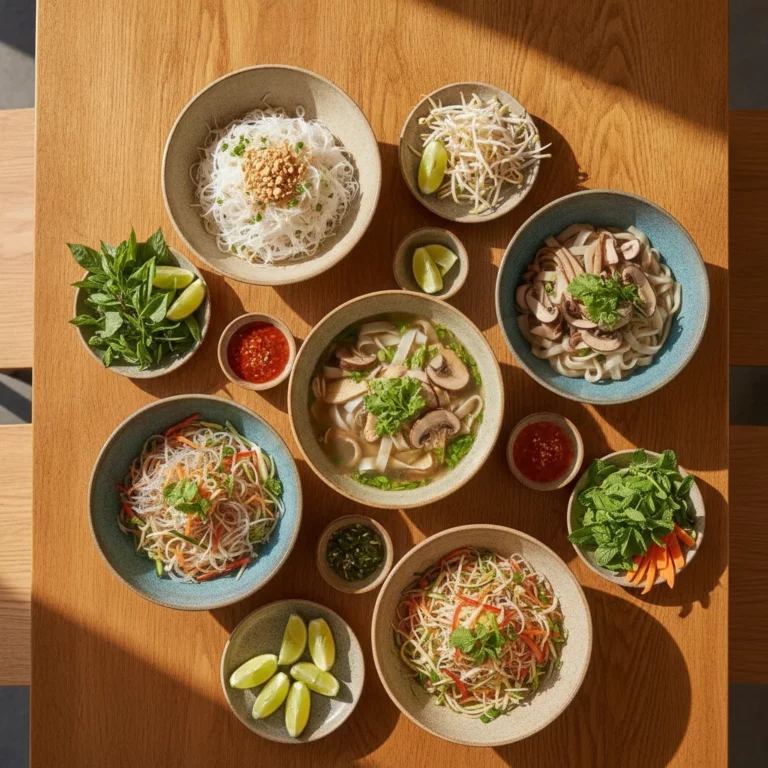
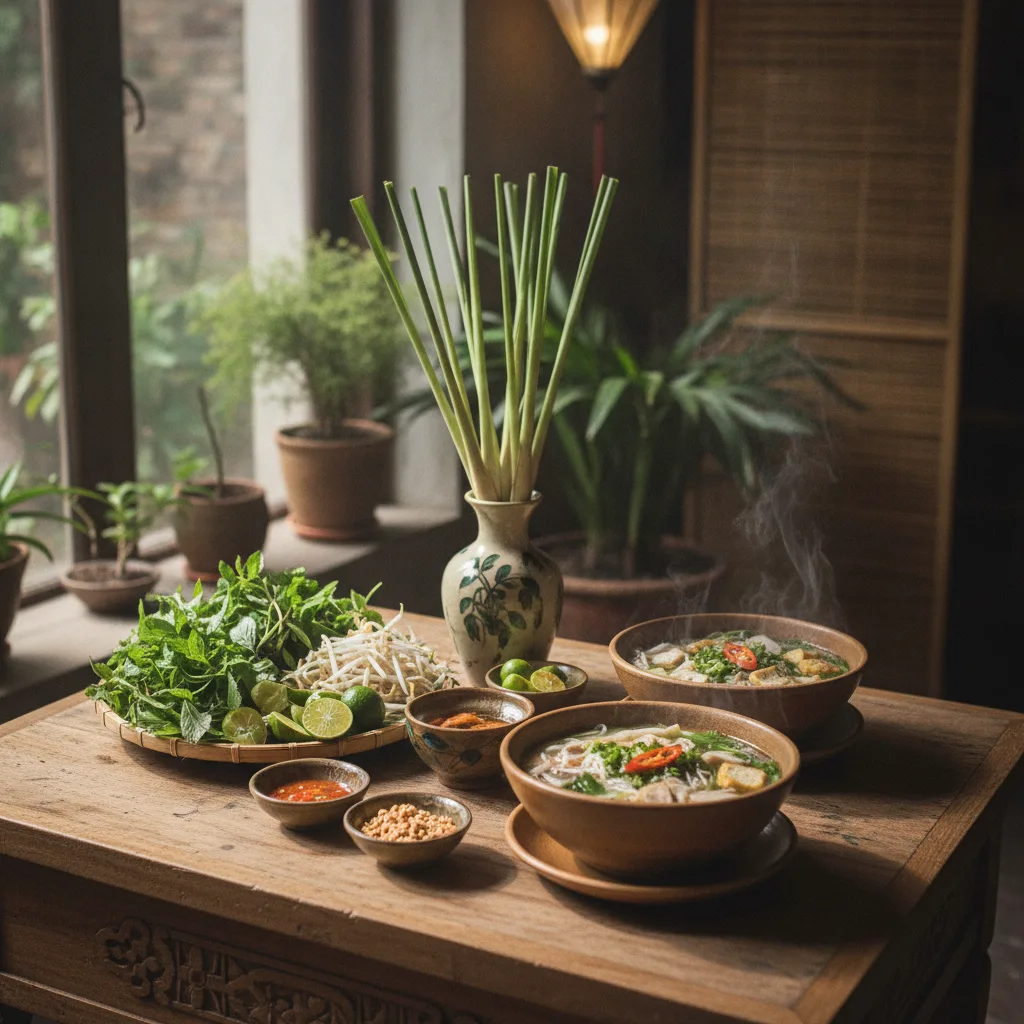
Lemongrass is much more than just a herb. In Vietnamese cuisine, this tropical grass with its lemony scent plays a central role, both for its flavour and its recognised health benefits. Aiding digestion, promoting relaxation and offering antibacterial properties: lemongrass has many benefits that are often little known to the general public. At Mây Bay, a 100% vegetarian and vegan Vietnamese restaurant in Vincennes, lemongrass is a staple ingredient, carefully selected to enhance the dishes and look after those who enjoy them.
The 5 Unexpected Benefits of Lemongrass in Vietnamese Cuisine
Reading time: ~7 mins
- What lemongrass really brings to your plate
- Benefit No. 1: it aids digestion
- Benefit no. 2: it helps to relieve stress and promotes sleep
- Benefit No. 3: its anti-inflammatory and pain-relieving properties
- Benefit No. 4: a powerful antibacterial and antiseptic agent
- Benefit No. 5: it supports metabolism and detoxification
- How to incorporate lemongrass into everyday cooking
- FAQ
- Lemongrass, a key ingredient in Vietnamese cuisine
What lemongrass really brings to your plate
An aromatic herb at the heart of Vietnamese cuisine
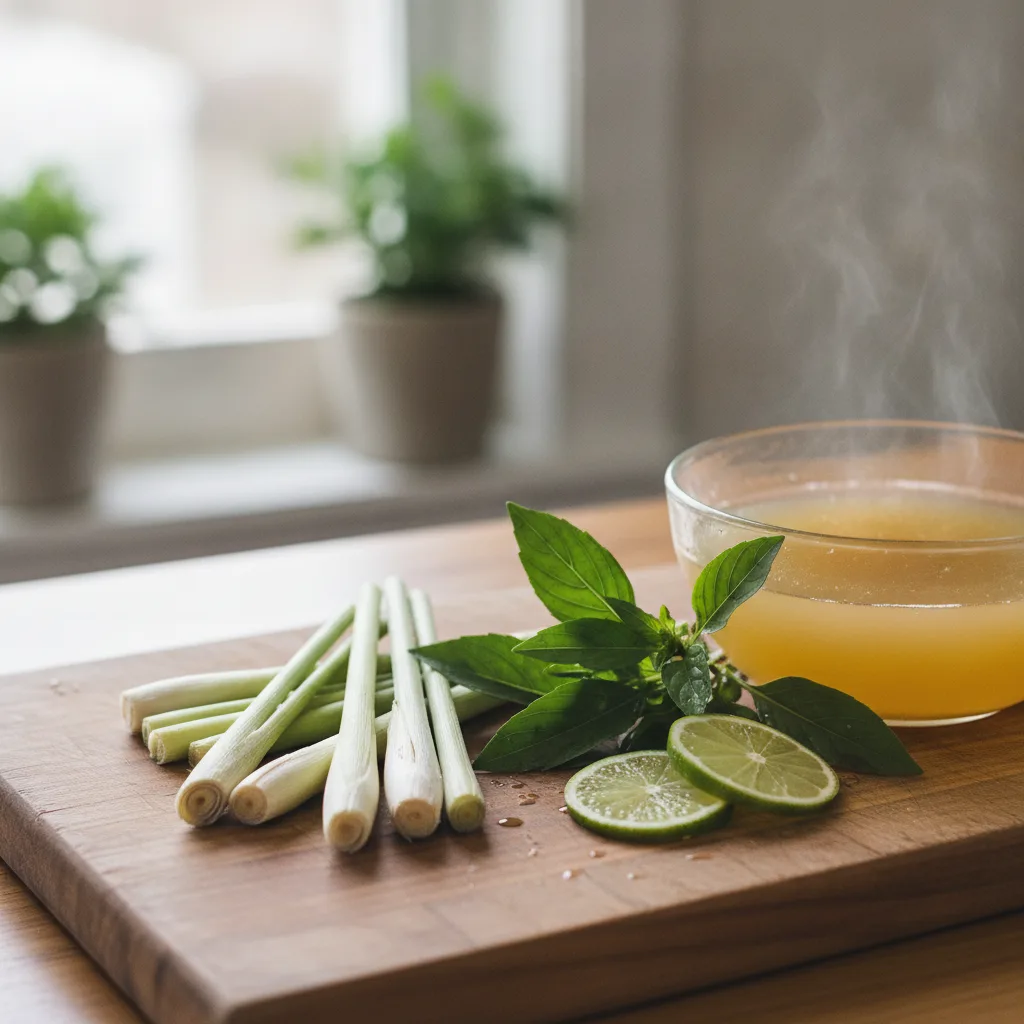
Lemongrass (Cymbopogon citratus) is a tropical aromatic plant; its white stems are mainly used in cooking, whilst its leaves are used to make herbal tea. Widely used in Vietnamese, Thai and Creole cuisine, it adds a distinctive freshness to stocks, curries, marinades and sauces.
Its white stem, which is more tender and packed with flavour, can be chopped, crushed or added whole to a dish before being removed just before serving. Its leaves, which are more fibrous, are ideal for herbal teas and simmered stocks. It is this versatility that makes it an essential ingredient in authentic plant-based cuisine, where every component must nourish, flavour and heal.
| Part of the lemongrass | Main use | Associated benefits |
|---|---|---|
| White stem | Broths, curries, marinades, sauces and stews | Adds a lemony freshness, aids digestion and enhances flavours |
| Leaves | Herbal teas and slow-cooked broths | Helps promote digestive comfort and encourages rest and relaxation |
| Essential oils contained in the plant | The aroma of food and indirect inhalation via cooking fumes | Subtle yet beneficial antibacterial, antiseptic and anti-inflammatory properties |
Benefit No. 1: it aids digestion
A natural aid to daily digestion
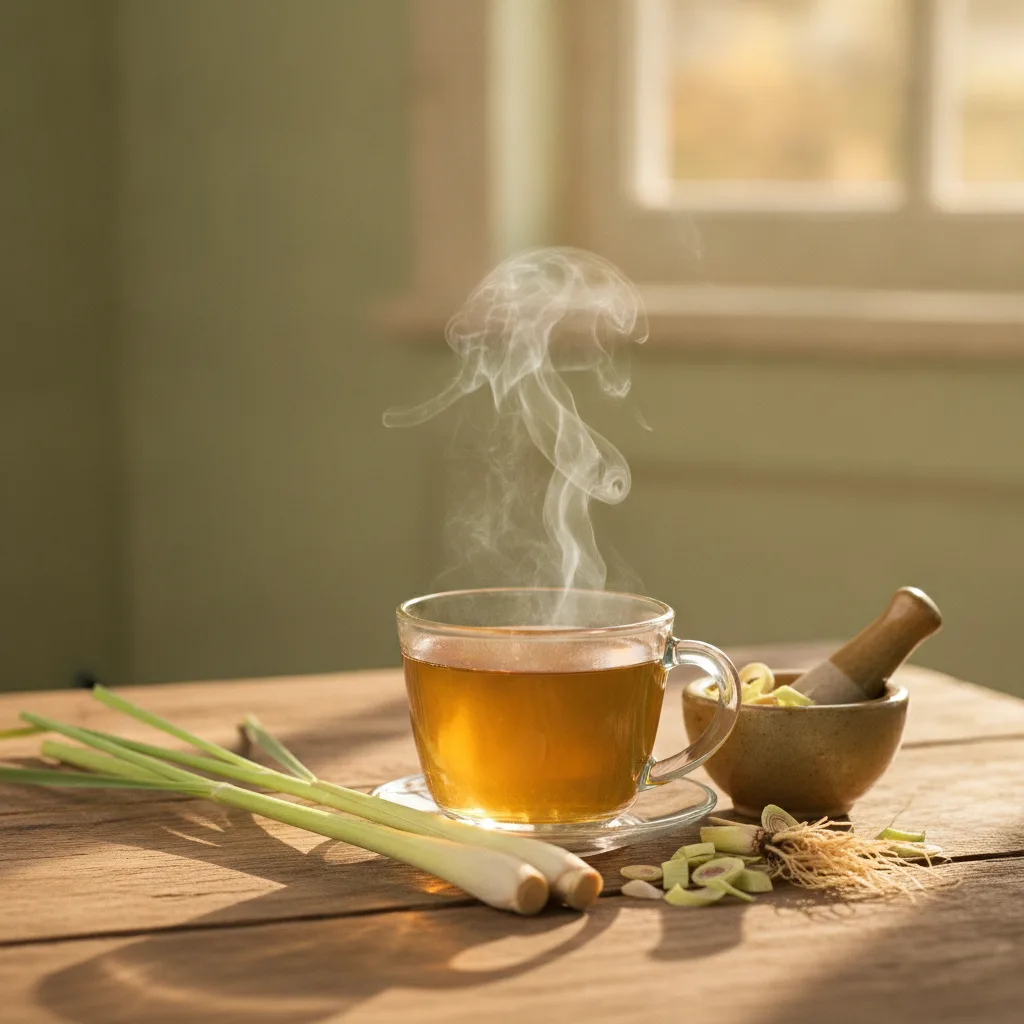
This is undoubtedly lemongrass’s best-documented property. Recognised for its digestive and carminative effects, it helps to reduce bloating, wind and stomach cramps. Drinking lemongrass tea after a meal is a time-honoured tradition in Vietnam, which herbal medicine practitioners also recommend: use around 15 grams of fresh leaves per litre of water, and drink one to three cups a day as required.
For those who are used to business lunches or busy lunch breaks, it’s a valuable ally. Finishing a meal with a lemongrass tea, … it means giving your body a chance to recover naturally before getting back to work.
Benefit no. 2: it helps to relieve stress and promotes sleep
Plant-based support for the nervous system
Lemongrass is also described as a natural relaxant, sedative and anxiolytic. Its aromatic compounds help to reduce anxiety and prepare the body for a good night’s sleep, particularly when consumed as a herbal tea at the end of the day.
In today’s fast-paced world, with its constant stream of meetings, commutes and family commitments, this kind of ingredient is far from trivial. Incorporating lemongrass into your daily diet – whether in a hot dish or a hot drink – can help promote a better nervous system balance. It is precisely in this spirit that Mây Bay uses it – not merely as a condiment, but as an ingredient in its own right in a cuisine that nurtures.
Benefit No. 3: its anti-inflammatory and pain-relieving properties
Relief from mild pain and inflammation
Although less well known for this use, lemongrass nevertheless has recognised anti-inflammatory and analgesic properties. It can help relieve mild pain caused by muscle, joint or rheumatic conditions, and also helps combat flu-like symptoms by reducing fever and soothing a cough or sore throat.
These effects are largely due to its natural aromatic compounds, which are active both when consumed and when inhaled. In a simmering vegetable stock flavoured with lemongrass, the vapours themselves contribute to this beneficial effect. This is one of the reasons why Vietnamese soups, such as the Mây Bay Delight, are renowned for their comforting effect, which goes far beyond mere culinary pleasure.
Benefit No. 4: a powerful antibacterial and antiseptic agent
A discreet ally for the body’s natural defences
Lemongrass has antibacterial, antiseptic and antiviral properties, particularly thanks to its essential oils. It strengthens the body’s natural defences and helps to combat certain bacteria and viruses. When consumed regularly as part of the diet, it plays a subtle role in supporting the immune system.
These characteristics make lemongrass a particularly suitable ingredient in plant-based cuisine, where the quality and freshness of the produce are paramount. At Mây Bay, the care taken with the ingredients used, their provenance and their preparation reflects this philosophy: eating well also means eating food that nourishes you from within.
Benefit No. 5: it supports metabolism and detoxification
An ingredient that supports metabolic balance
Lemongrass is also a diuretic, meaning it stimulates the kidneys and promotes the elimination of toxins. When combined with adequate hydration, it can support a gentle detoxification programme and help achieve a better metabolic balance. Some popular medical sources also attribute a blood-sugar-lowering effect to it, which may be of interest to those monitoring their blood sugar levels, although this use should be supervised.
For those who watch what they eat without sacrificing flavour, lemongrass is a perfect example of an ingredient with dual benefits: it is both aromatic and functional. It blends naturally into balanced plant-based dishes, without weighing them down or overpowering them, simply enhancing the flavours that are already there.
How to incorporate lemongrass into everyday cooking
Practical tips for using lemongrass at home
Using lemongrass at home doesn’t require any special technique, but a few tips are useful. For the kitchen: Remove the outer layer, then crush the stalk to release the flavours before chopping it finely or leaving it whole in a stock. The green part, which is more fibrous, is best used for herbal teas.
To make your own herbal tea: Bring the water to a gentle simmer, add a tablespoon of dried leaves or a few crushed fresh sprigs, leave to infuse for between 5 and 15 minutes depending on the desired strength, then strain. Drink hot after a meal to aid digestion, or in the evening to help you relax.
A few precautions to bear in mind:
- Lemongrass, when used in culinary quantities, is safe for most people.
- Its use in herbal medicine is not recommended for pregnant women and children under the age of 3.
- Citronella essential oils are highly concentrated and must always be diluted and used with caution.
FAQ
Is lemongrass really good for your health, or is it just a fad?
Lemongrass has been used for centuries in traditional Asian and Creole medicine. Its digestive, relaxing and antibacterial properties are now documented by reputable sources in the field of phytotherapy, including Doctissimo and several specialist guides. This is not a recent trend: it is ancient knowledge that is borne out by well-established culinary and medicinal uses.
Can you consume lemongrass every day?
Yes, in normal culinary quantities, lemongrass is perfectly safe for daily consumption. It is used in many Vietnamese and Asian dishes without causing any particular problems. For herbal teas used in herbal medicine, it is advisable not to exceed three cups a day and to consult a healthcare professional if in doubt, particularly for those taking medication.
How can you tell if lemongrass is fresh and of good quality?
High-quality fresh lemongrass has a firm stalk that is pure white at the base, with no spots or mould. It should have an intense, lemony and slightly herbaceous fragrance. The leaves should be a bright green. Sticks sourced from traceable supply chains, such as those from the Kampot region in Cambodia, are renowned for their superior aromatic quality and high concentration of active compounds.
Is lemongrass suitable for a vegetarian or vegan diet?
Absolutely. Lemongrass is a 100% plant-based ingredient that fits perfectly into vegetarian or vegan cuisine. It adds aromatic depth to meat-free dishes, making it a valuable asset for a restaurant like Mây Bay, where the balance of flavours relies entirely on plant-based ingredients.
Lemongrass, a key ingredient in Vietnamese cuisine
A symbol of Vietnamese culinary philosophy
Lemongrass is one of those ingredients that, on its own, encapsulates the essence of Vietnamese cuisine: a vibrant, aromatic cuisine, rooted in a tradition of care and flavour. Aiding digestion, promoting relaxation, acting as an antibacterial agent and supporting the metabolism, its inclusion in Mây Bay’s recipes is no coincidence. It is chosen because it forms part of a culinary philosophy in which every ingredient has a role, a story and a benefit. To discover how lemongrass comes to life in our homemade herbal teas, visit our hot drinks menu.