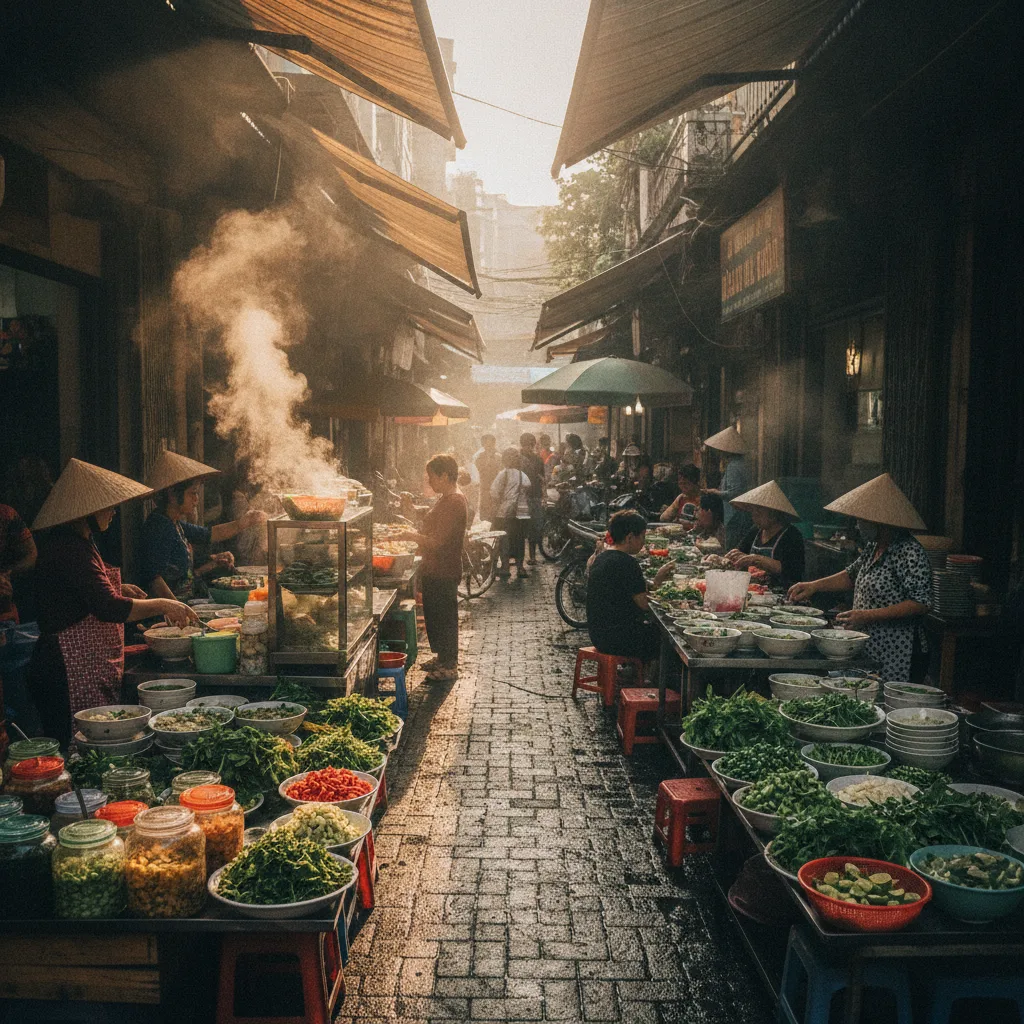
Whether you’re planning a trip to Asia or simply dreaming of a culinary escape from Vincennes, one question often comes up: what should you eat in Vietnam to experience its culinary soul? The answer inevitably lies in its iconic dishes, steaming soups, fresh herbs and incredible street food. The good news is that much of this culinary richness lends itself wonderfully well to a plant-based take, without losing any of its authenticity.
Whether you’re in Vincennes or east Paris, you can explore these Vietnamese classics in 100 % vegetarian or vegan versions, relive the flavours of your travels or discover them for the first time in a contemporary and relaxing setting. Here’s a tour of Vietnam in five must-try vegan dishes, designed as a guide to what to eat in Vietnam… or at Mây Bay.
A tour of Vietnam through 5 must-try vegan dishes: what to eat in Vietnam?
Reading time: ~10 mins
- The basics of Vietnamese cuisine, vegetarian style
- 1. A vegan pho-style soup, just like in Hanoi
- 2. Vegetarian bún chả giò: Bo Bun reimagined
- 3. Vegan bánh cuốn: northern-style rice pancakes
- 4. Vegetable spring rolls and ravioli: street food with a green twist
- 5. Vegan Vietnamese desserts: coconut treats and exotic fruits
- A culture to explore beyond the plate
- FAQ
- A plant-based journey through Vietnam… right on your doorstep
The basics of Vietnamese cuisine, vegetarian style
Rice, rice noodles and staple ingredients
At the heart of almost every meal is rice (cơm) in all its forms: as grains, noodles, patties or cakes. Next come rice noodles, whether wide or vermicelli-style, which are found in soups, warm salads or stir-fries.
Vietnamese cuisine is also characterised by an abundance of fresh herbs (coriander, Thai basil, mint, lemongrass) and crunchy vegetables. This wealth of plant-based ingredients makes the cuisine particularly well-suited to vegetarian and vegan diets, provided that the stocks and sauces are adjusted accordingly.
In a traditional restaurant in Vietnam, beef, chicken, pork or seafood are used. In a vegetarian or vegan restaurant such as Mây Bay in Vincennes, these ingredients are replaced by tofu, mushrooms, seasonal vegetables and homemade seasonings, whilst still adhering to the original cooking techniques.
1. A vegan pho-style soup, just like in Hanoi
The essentials of a vegan Vietnamese pho
It’s impossible to answer the question «what to eat in Vietnam» without mentioning phở, the famous rice noodle soup. In Vietnam, people enjoy it for breakfast whilst sitting on a plastic stool on the corner of a bustling street.
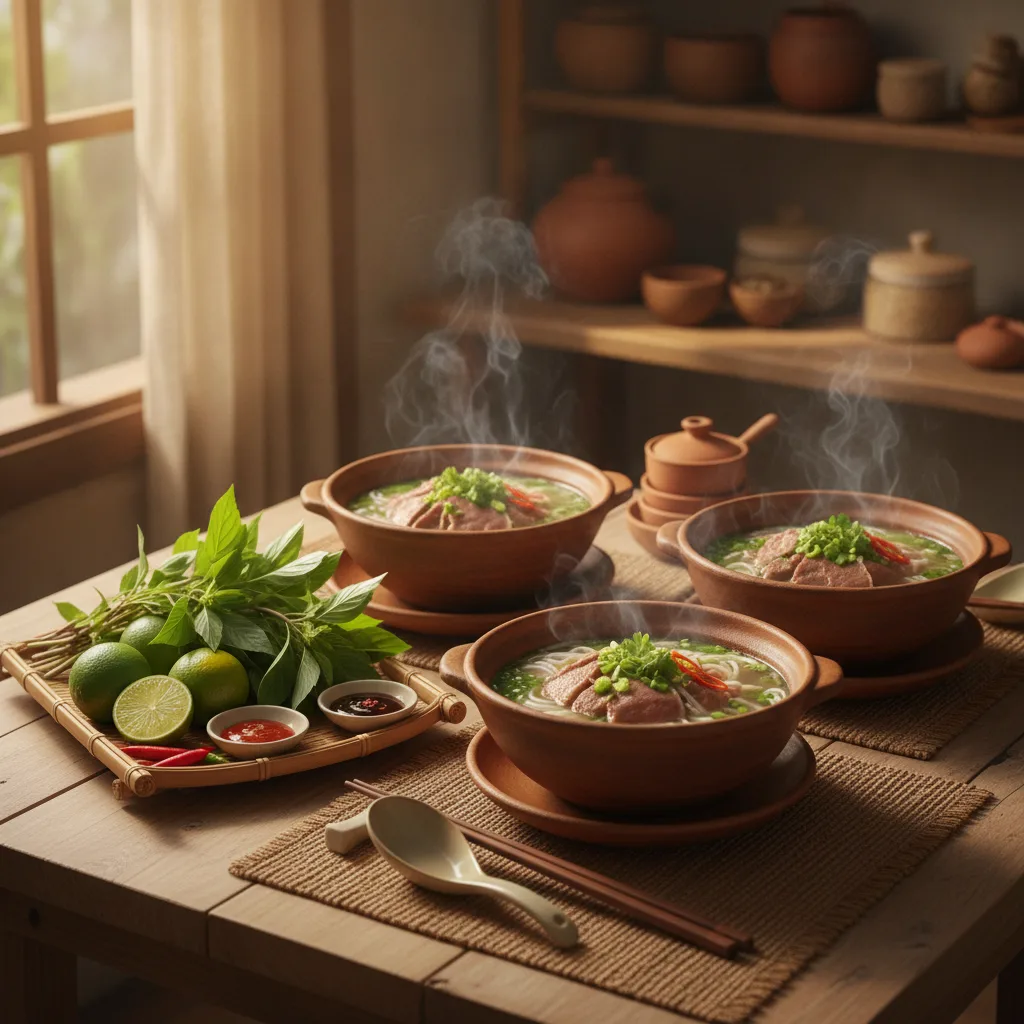
At Mây Bay, this experience is reflected in the Mây Bay Delight, whose slowly simmered vegetable stock recreates the depth of flavour found in a traditional version.
| Key points | Role in phở |
|---|---|
| Slow-cooked stock | Aromatic depth |
| Flat rice noodles | Nourishing base |
| Herbs & spices | Customisation for the customer |
A few basil leaves, a splash of lime, a dash of chilli: the ritual remains unchanged, warming the hearts of nostalgic travellers and curious foodies alike.
2. Vegetarian bún chả giò: Bo Bun reimagined
A hearty bowl inspired by Vietnamese street food
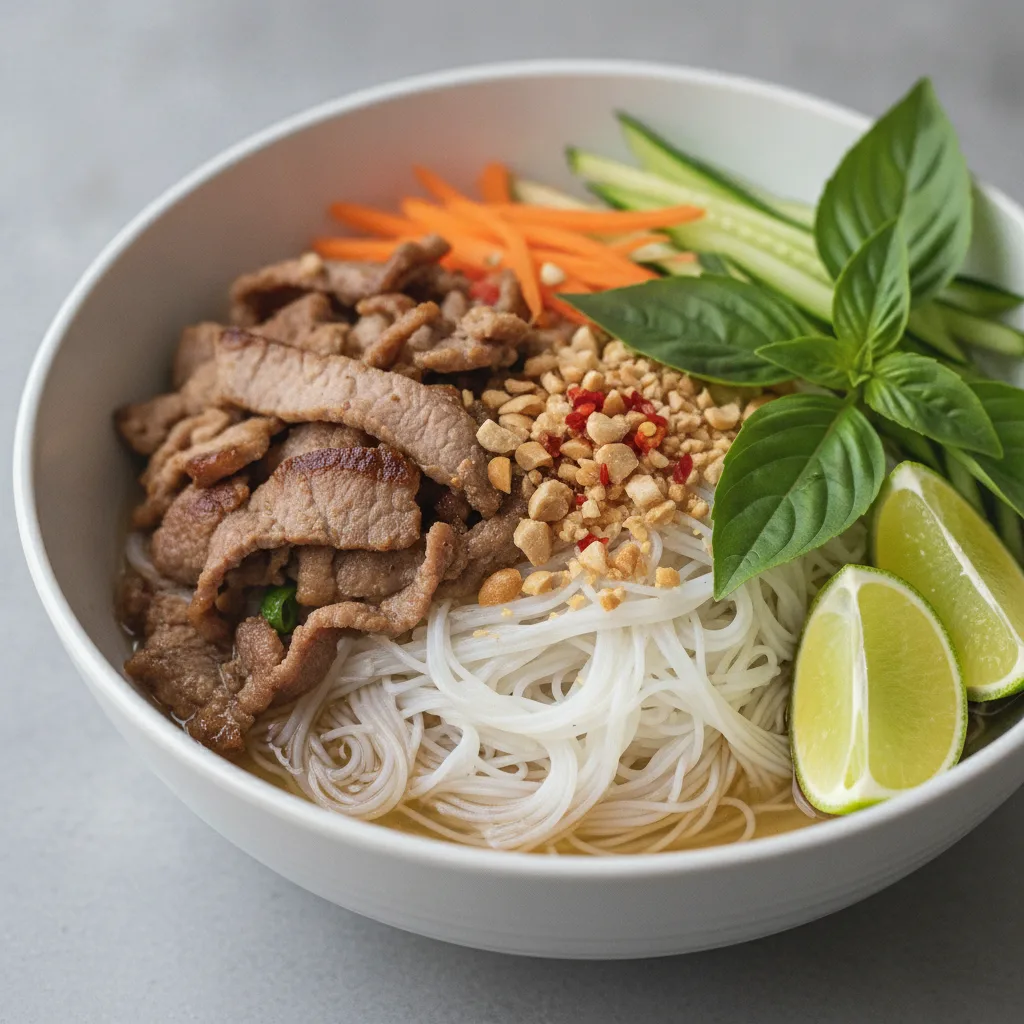
Dishes featuring bún rice vermicelli are among the most common answers to the question «What to eat in Vietnam?». Adapted for a French audience, this family of recipes has inspired the famous Bo Bun. At Mây Bay, it has become an iconic 100 % vegetarian dish: the Bún chả giò.
| Components | Plant-specific characteristics |
|---|---|
| Rice vermicelli | Light texture |
| Raw vegetables & fresh herbs | Crunchiness and flavours |
| Vegetable spring rolls | Crispy, meat-free |
| Lime sauce | A well-balanced seasoning |
Refreshing and crunchy in the Vietnamese heat; a healthy and filling break in Vincennes: one bowl to suit every taste.
3. Vegan bánh cuốn: northern-style rice pancakes
In Hanoi, you can watch bánh cuốn being steamed, thin layer by thin layer, on a cloth stretched over a boiling pot. Mây Bay offers a vegetarian version that stays true to tradition: bánh cuốn, Vietnamese pancakes.
The rice dough remains soft and almost translucent; the filling and sauce are suitable for vegetarian or vegan diets. Memories of Vietnamese breakfasts come flooding back instantly, or are awakened for the first time in a light dish fragrant with fresh herbs.
4. Vegetable spring rolls and ravioli: street food with a green twist
On the streets of Vietnam, steaming spring rolls and steamed dumplings served in bamboo baskets are an unmissable pairing. The concept is simple: a pastry wrapper and a flavourful filling. At Mây Bay, the meat filling gives way to a mix of vegetables, tofu and mushrooms in the crispy vegetable spring rolls and the ha cao, vegetable dumplings. Perfect for sharing, pairing with a fragrant salad, or taking away to recapture the atmosphere of Vietnamese pavements.
5. Vegan Vietnamese desserts: coconut treats and exotic fruits
Naturally plant-based Vietnamese treats
Sweet desserts do not always take centre stage on Vietnamese tables, but the country is brimming with treats made from fruit, coconut milk and rice. Many are naturally dairy-free:
– Chè chuối (bananas, tapioca, coconut milk, peanuts); – Coconut pearls (bánh bao chi); – Puffed rice cake (bánh bò); – Seasonal fruit salad. These dishes highlight the importance of rice and coconut in Vietnamese confectionery and round off a plant-based meal on a sweet and fragrant note, without being overly sugary.
A culture to explore beyond the plate
Asking yourself «what to eat in Vietnam» also means immersing yourself in a culture where mealtimes are often lively and boisterous occasions for sharing. The Mây Bay concept in Vincennes captures this essence: fresh dishes, a contemporary and relaxing setting, suitable for both business lunches and romantic vegetarian dinners.
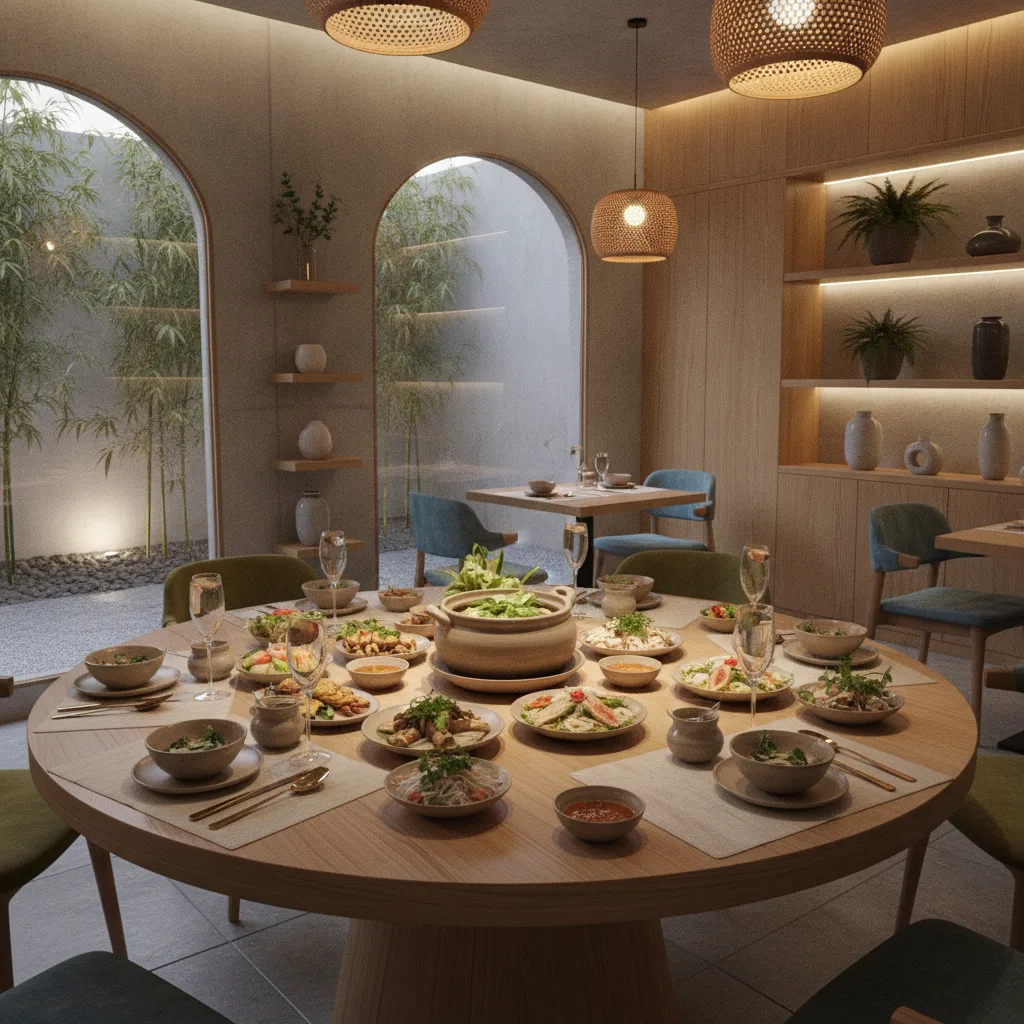
The experience continues with Vietnamese herbal teas, Vietnamese filter coffee or even a pandan-flavoured coconut milk coffee. An evening and weekend menu guides guests through a selection of vegetarian specialities.
FAQ
What can you eat in Vietnam if you’re vegetarian or vegan?
Locally, traditional Vietnamese cuisine favours meat and fish, particularly in local eateries. In town, there are an increasing number of «chay» (vegetarian) restaurants. The easiest dishes to adapt are rice noodles with vegetables, fresh spring rolls, certain vegetable-based soups and tofu dishes. In France, restaurants such as Mây Bay offer a dedicated 100% vegetarian or vegan menu inspired by these classics.
What are the dishes you really mustn’t miss?
Phở, bánh mì, bún noodles, bánh cuốn, bánh xèo pancakes, spring rolls and steamed dumplings are among the must-try dishes. In the vegetarian versions, rice, noodles, herbs and textures – whether crispy or melt-in-the-mouth – are retained, and the animal-based ingredients are simply replaced with vegetables, tofu and mushrooms without altering the structure of the dish.
Is it possible to experience authentic Vietnamese cuisine without eating meat?
Yes, whilst staying true to the fundamentals: fragrant stocks, the skilful use of fresh herbs, quick cooking methods that preserve textures, and a balance of salty, sweet, sour and spicy flavours. Mây Bay draws on these traditional techniques – using vegetable stock, homemade sauces and fresh produce – to create a 100% plant-based approach that remains true to the spirit of Vietnam.
A plant-based journey through Vietnam… right on your doorstep
Phở-style soup, vegetarian bún chả giò, bánh cuốn, spring rolls and vegetable ravioli, coconut milk desserts: these five dishes showcase Vietnam’s culinary delights from north to south. From Vincennes, Mây Bay offers this culinary journey without having to catch a plane, in a setting designed for relaxation, business lunches or family dinners. To continue this culinary journey, discover the full menu and choose your next culinary destination.