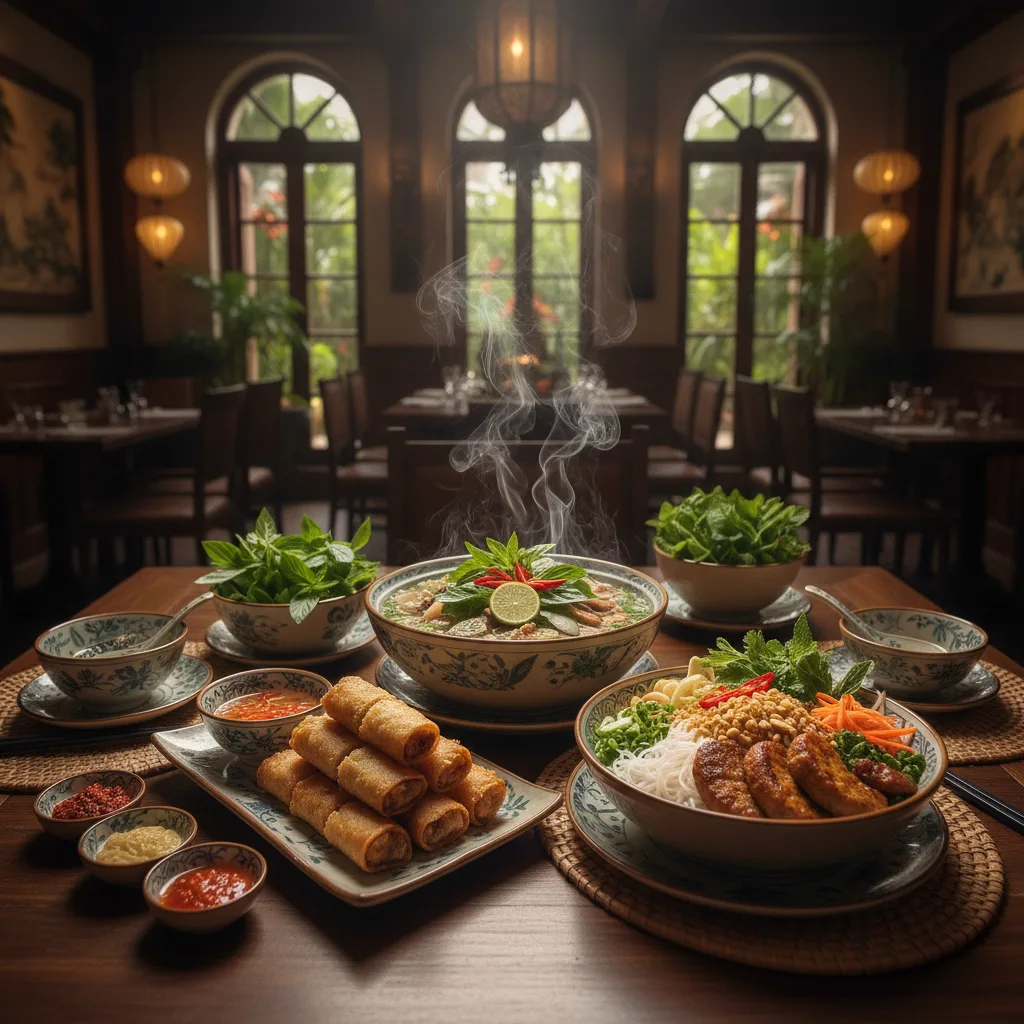
Which wine should you choose to pair with a vegan pho, crispy spring rolls or bún chả gio? Vietnamese cuisine has a unique flavour profile that challenges the traditional rules of food and wine pairing in Vietnamese restaurants. Fresh herbs, rich broths, the umami of nuoc mam, sweet-and-sour sauces and a subtle hint of chilli create a delicate balance that wine must complement without overpowering.
At Mây Bay, a 100% vegetarian and vegan Vietnamese restaurant in Vincennes, we have built our approach to food and wine pairings around a simple observation: a good wine is not chosen on the basis of its geographical origin, but according to the specific characteristics of the dish being served.
Food and wine pairings at Vietnamese restaurants | 2026 Guide
Reading time: ~9 mins
- A brief summary
- The 5 golden rules of food and wine pairing in a Vietnamese restaurant
- Pairings by category of Vietnamese dishes
- Can you drink red wine with Vietnamese food?
- Creating a wine list for a Vietnamese restaurant in France
- Practical advice on customer service and sales
- Taking food and wine pairing to the next level in a Vietnamese restaurant
- FAQ
A brief summary
- The golden rules: why Vietnamese cuisine calls for wines with high acidity, low tannins and intense aromas.
- Pairings by type of dish: the best combinations for soups, fried dishes, herb-rich salads and grilled dishes.
- Can you drink red wine? Yes, provided you choose the right grape varieties and serve them at the right temperature.
- Putting together a wine list: which French appellations to prioritise for a Vietnamese menu in France.
- Practical tips: serving temperature, managing the heat, and common mistakes to avoid.
The 5 golden rules of food and wine pairing in a Vietnamese restaurant
Vietnamese cuisine is characterised by a lower level of chilli heat compared to Thai or Sichuan cuisine, a very prominent use of fresh herbs such as mint, coriander and Thai basil, and a pronounced umami flavour derived from nuoc mam, stock and fermented ingredients. These characteristics clearly point towards wines with high acidity, low tannins, aromatic profiles and a moderate alcohol content.
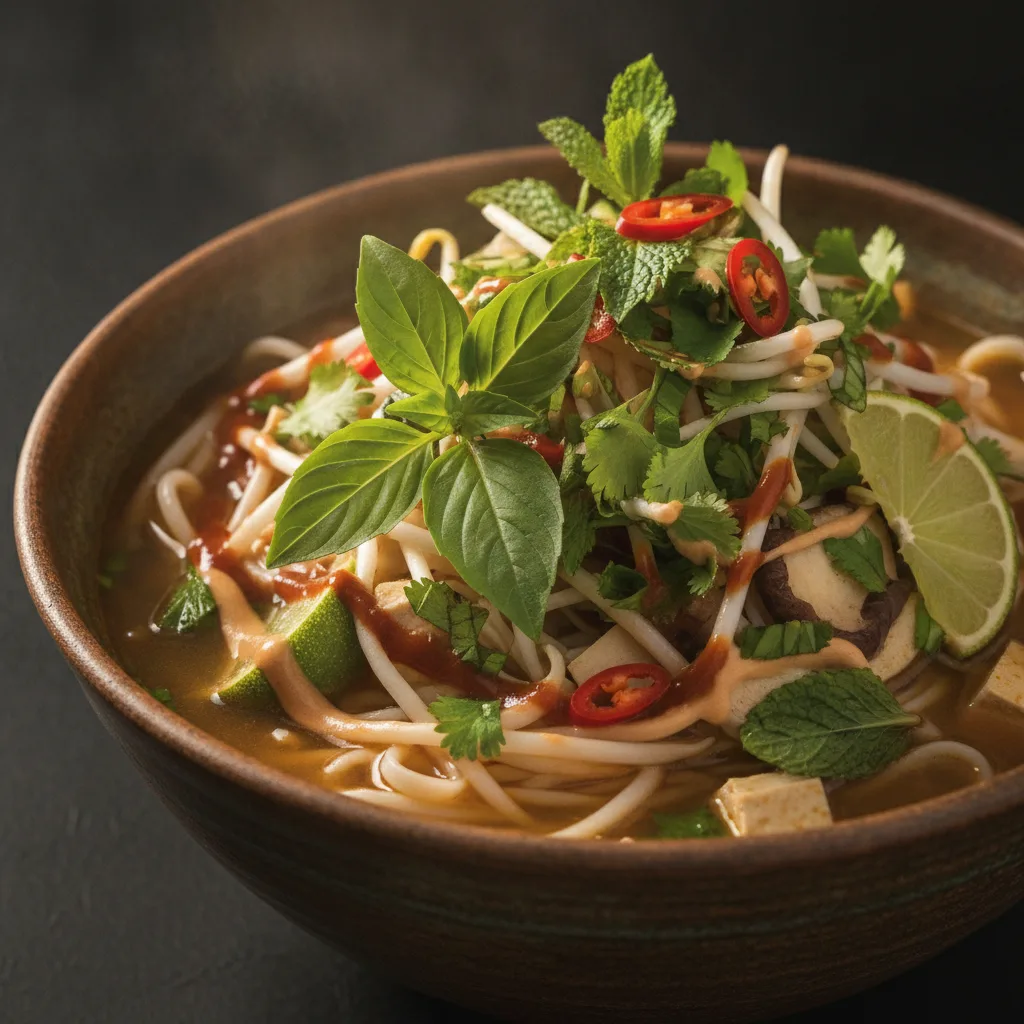
1. Increase the acidity and reduce the tannins
The acidity refreshes the palate, cuts through the greasiness of fried foods and brings out the flavour of fresh herbs. The high tannin content, on the other hand, clashes with the chilli and nuoc mam to produce an unpleasant bitter taste.
2. Choose a wine to complement the dish’s profile
It is essential to pair wine with the characteristics of the dish, rather than with the cuisine’s country of origin. A delicate broth such as pho does not call for the same wine as a crispy spring roll or a herb-rich salad – a principle also highlighted by the Michelin Guide to pairing Vietnamese cuisine with wine.
3. Balancing the heat with residual sugar
Balancing the chilli with residual sugar rather than alcohol remains the most effective strategy. A slightly off-dry Riesling controls the chilli’s heat better than a high-alcohol wine, which amplifies it.
4. Serve the wines a little cooler
Serving wines cooler than usual helps to preserve the balance of the dish. In a warm dining room or on a terrace, a wine that is too warm seems heavy and overpowers the delicate flavours of the dish.
5. Ensure that the intensities match
Ensuring that the intensity of the dish and the wine are well-matched prevents any imbalance. A light, herbaceous dish cannot stand up to a powerful, oaky wine, which would completely overpower it.
Pairings by category of Vietnamese dishes
Each major category of Vietnamese dishes calls for a different type of wine. The following table summarises the most suitable pairings.
| Type of dish | Examples at Mây Bay | Ideal wine profile | Recommended grape varieties and appellations |
|---|---|---|---|
| Herb-based salads and fresh rolls | Goi Mây Bay (vegetable salad) | A crisp, lively, aromatic white wine | Sauvignon Blanc, dry rosé from Provence |
| Soups and broths (pho) | Mây Bay Delight, Hu Tieu Mây Bay | An aromatic white or a very light red | Semi-dry Riesling (Alsace), Grüner Veltliner, Beaujolais-Villages |
| Fried foods and crispy dishes | Crispy Cha Gio spring rolls, Banh Cuon | A crisp, lively white or a raw, effervescent white | Chablis, Muscadet, Sancerre, Crémant d’Alsace |
| Grilled and marinated dishes | Bun Cha Gio (rice vermicelli with spring rolls) | A dry rosé or a light red, served chilled | Côtes de Provence, Gamay (Beaujolais), Saumur-Champigny |
| Dishes rich in umami or fermented dishes | Dishes with a strong nuoc mam flavour | Orange wine or oxidative white wine | Pét-nat, natural orange wine |
Herb-based salads and fresh rolls
For fresh rolls and salads such as Goi Mây Bay, a crisp Sauvignon Blanc or a dry rosé from Provence are the obvious choice. Their sharp acidity and herbaceous notes complement the mint and coriander without overpowering them.
Vietnamese soups and broths
For soups and broths, including the Mây Bay Delight, the semi-dry Riesling from Alsace remains the benchmark. Its subtle residual sugar softens the heat, whilst its acidity complements the stock. The Austrian Grüner Veltliner, with its peppery notes, offers an interesting alternative. If you prefer a red, a Beaujolais-Villages or a Fleurie served slightly chilled works well, provided you avoid anything with pronounced oak notes.
Fried foods and crispy dishes
For fried foods such as Crispy Cha Gio spring rolls Or, as with Banh Cuon, the aim is to cut through the richness and cleanse the palate between each mouthful. Chablis, Muscadet and Sancerre fulfil this role effectively thanks to their minerality and high acidity. A brut Crémant d’Alsace or a brut Champagne also offers the lightness of bubbles, which is particularly appreciated during a festive meal or a tasting menu.
Grilled dishes and vermicelli
For grilled dishes and vermicelli such as Bun Cha Gio, a dry rosé from Provence or a Gamay from Beaujolais, served at between 12 and 14 degrees, are safe bets. Their virtually non-existent tannins and immediate fruitiness do not clash with the marinades and herbs.
Can you drink red wine with Vietnamese food?
Yes, but with care. Red wine can be paired with Vietnamese cuisine provided you choose light, low-tannin, fruity and unoaked varieties. Gamay, the iconic grape variety of the Beaujolais region, is the one most frequently recommended by experts. Pinot Noir, particularly the lighter Burgundian styles or those from the Côte de Beaune, is also suitable for grilled dishes without overly spicy sauces. Certain reds from the Loire Valley, such as a young Saumur-Champigny or a light Bourgueil, also offer excellent options.
Conversely, very tannic, very oaky or very alcoholic reds, such as powerful Cabernet Sauvignons or full-bodied Shiraz, should be avoided. They amplify the heat of the chilli, clash with the nuoc mam and overpower the fresh herbs – an observation shared by the specialist press, which highlights the light red wines, such as Beaujolais for this type of cuisine. The serving temperature is crucial: a Vietnamese red wine should be served between 12 and 15 degrees, never at the ambient temperature of a restaurant dining room in summer.
Gamay from the Beaujolais region is often described as a «versatile» wine for Vietnamese cuisine. Its low tannin content, expressive fruitiness and natural freshness make it a reliable choice to accompany everything from pho to grilled dishes, provided it is served slightly chilled.
Creating a wine list for a Vietnamese restaurant in France
For a Vietnamese restaurant in France, the wine list would benefit from featuring French appellations that are well known to the public, widely available in the café, hotel and restaurant sector, and consistent with the establishment’s gastronomic positioning. A selection of six to ten carefully chosen wines is sufficient to complement a full vegetarian or vegan menu.
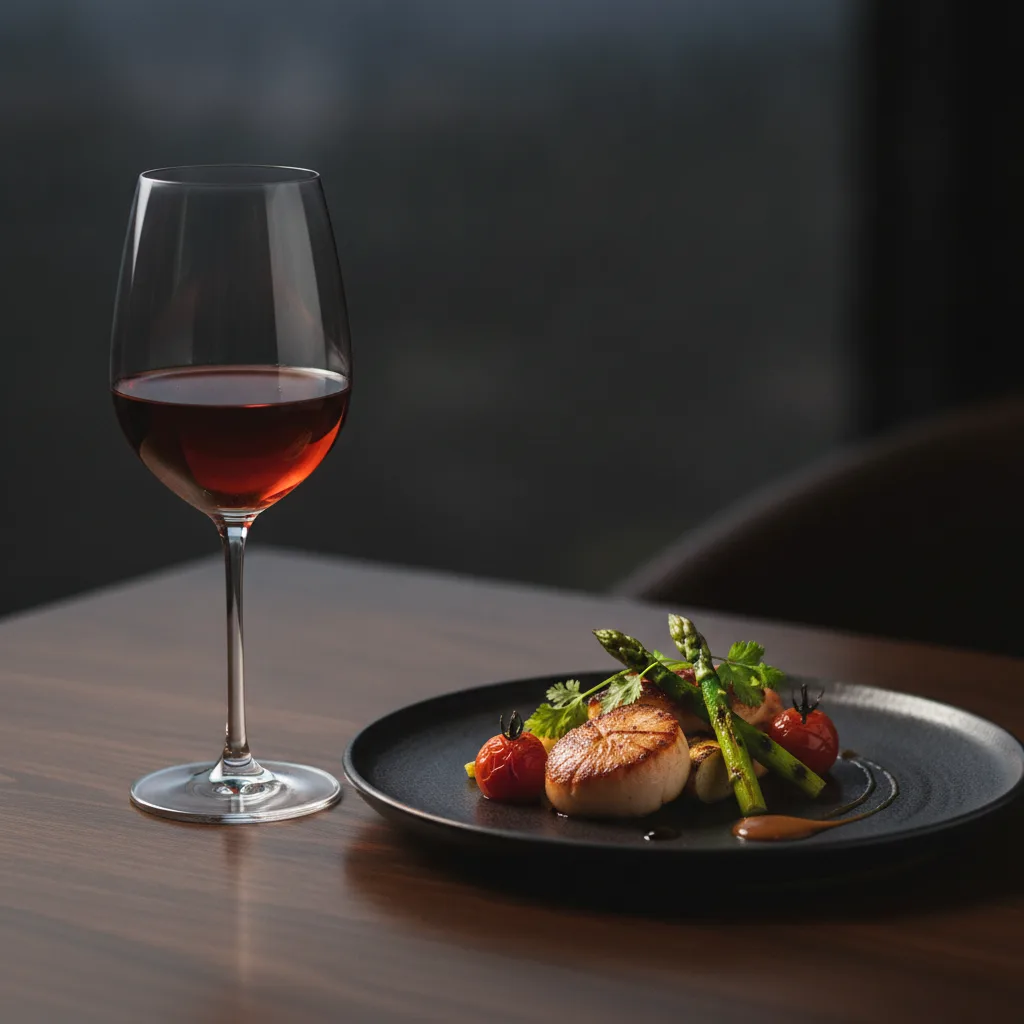
White wines form the backbone of the wine list. Dry or off-dry Riesling from Alsace pairs well with soups and mildly spiced dishes. Sauvignon Blanc, whether from Sancerre or the Loire, goes well with salads and fresh spring rolls, in the same way as the Fruity, low-tannin white wines recommended for Asian cuisine. Muscadet and Chablis are the obvious choices for fried starters. Grüner Veltliner, which is less well known in France but available via direct import, offers a distinctive and educational option for curious customers.
Rosés and sparkling wines offer great versatility. A dry Côtes de Provence rosé pairs seamlessly with almost the entire menu. A Crémant d’Alsace or a brut Crémant de Loire is ideal for festive meals, tasting menus or fried starters. For guests keen to explore, a pét-nat or an orange wine might feature as the sommelier’s recommendation for dishes rich in umami.
Light reds round off the wine list without overloading it. A Beaujolais-Villages, a Fleurie or a Régnié is sufficient for grilled dishes and broths. A young Saumur-Champigny or a light Pinot Noir from the Côte de Beaune could be included as a premium option.
Putting together a wine list for a Vietnamese restaurant in France does not require an extensive wine cellar. Six carefully selected wines – two whites, a sparkling, a rosé, a light red and a natural or orange wine – cover the full range of dish profiles and meet the expectations of a diverse clientele.
Practical advice on customer service and sales
Train the front-of-house team in food and wine pairings
Training front-of-house staff is an often-underestimated way of increasing the average spend. A waiter who can suggest a perfect pairing between an Alsace Riesling and the Délice de Mây Bay, or between a brut Crémant and the crispy Cha Gio spring rolls, transforms a simple recommendation into a memorable experience for the customer.
Operating temperatures and common errors
A few practical guidelines make this task easier on a day-to-day basis. White wines are served at between 8 and 10 degrees, slightly cooler than usual, especially in summer. Light reds are served at between 12 and 15 degrees. Sparkling wines are served between 6 and 8 degrees. It is helpful to list the recommended pairing directly on the menu, next to the name of the dish, to guide the customer without them having to ask.
| Error | Consequence | Solution |
|---|---|---|
| Serve a tannic, oaky red (a full-bodied Cabernet Sauvignon or a robust Shiraz) | Intensifies the chilli’s heat and clashes with the nuoc mam | Choose a light, fruity red such as Gamay or a Pinot Noir from the Côte de Beaune |
| Serve red wine at room temperature | The wine seems heavy and overpowers the delicate flavours | Serve at between 12 and 15 degrees, always chilled |
| Choose a completely dry wine to go with a very spicy dish | Alcohol intensifies the heat from chilli peppers | Opt for a slightly off-dry Riesling to balance the chilli with its residual sugar |
| Serve a full-bodied, oaky wine with a light, herbaceous dish | The wine completely overpowers the dish | Ensure that the intensity of the dish matches that of the wine |
Making the most of business meals and large gatherings
Finally, for business meals or larger gatherings, sharing a bottle as part of a well-thought-out wine pairing enhances the convivial atmosphere and boosts the restaurant’s reputation. At Mây Bay, our weekend evening menu is particularly well suited to this sort of experience, with a varied selection of dishes that allow you to explore different pairings throughout the meal.
Taking food and wine pairing to the next level in a Vietnamese restaurant
Pairing food and wine in a Vietnamese restaurant is based on a simple and consistent principle: prioritise acidity, minimise tannins, match the intensity of the wine to that of the dish, and never forget that chilli is better balanced with a hint of residual sugar than with a high-alcohol wine. French appellations such as Alsace Riesling, Sancerre, Chablis, Muscadet, Crémant and Beaujolais offer a rich and accessible range for creating a coherent and informative wine list.
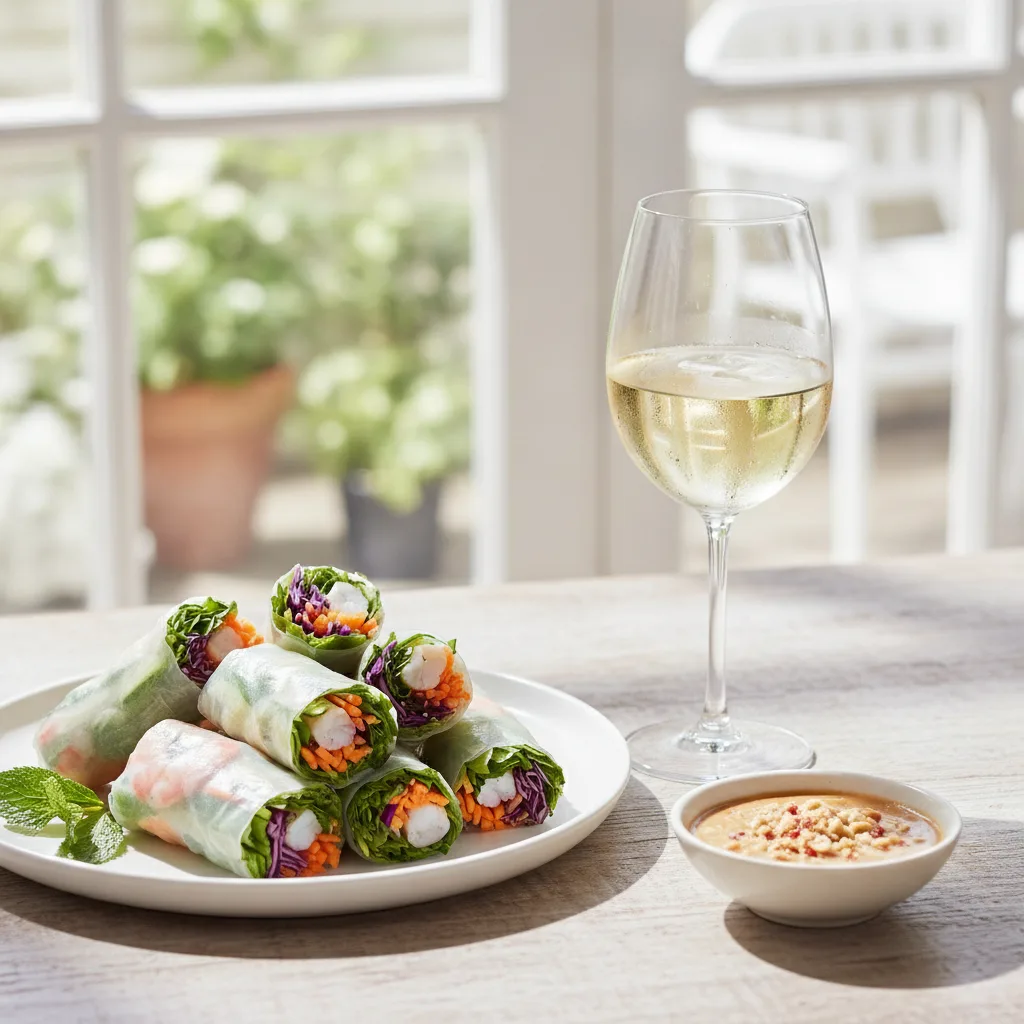
At Mây Bay, we believe that a well-chosen wine enhances the Vietnamese dining experience and adds a new dimension to it, creating a complete, serene and memorable dining experience.
In summary: food and wine pairings at a Vietnamese restaurant
In short, successful food and wine pairing in a Vietnamese restaurant involves favouring lively white wines, fresh sparkling wines and light reds, whilst taking into account the intensity of the dish, the level of chilli and the role of herbs and umami in the recipe, so as to enhance the culinary experience without ever overpowering it.
FAQ
What wine should you serve with fresh spring rolls?
Fresh spring rolls, packed with fresh herbs and crunchy vegetables, pair perfectly with a crisp Sauvignon Blanc or a dry Provence rosé. Their acidity brings out the freshness of the herbs without overpowering the delicacy of the dish.
Is orange wine a good match for Vietnamese cuisine?
Orange wine, produced using prolonged skin contact, develops oxidative notes and a light tannic structure, making it particularly well-suited to dishes with strong umami flavours or fermented dishes. It is an original and educational choice to recommend as a sommelier’s suggestion.
Should you avoid Champagne with Vietnamese food?
No, on the contrary, brut Champagne is an excellent choice for light fried dishes, crispy spring rolls and tasting menus. Its bubbles cleanse the palate between each mouthful, and its high acidity pairs well with the vibrant flavours of Vietnamese cuisine.
What would you recommend for a business lunch at a Vietnamese restaurant?
For a business lunch, a white Sancerre or an Alsace Riesling, paired with a red Beaujolais-Villages, offers a selection that is both approachable, elegant and well-suited to the variety of a Vietnamese menu. These well-known French appellations put guests who are unfamiliar with Asian food and wine pairings at ease.
Can you pair a wine with a Vietnamese dessert made with coconut milk?
Yes. Vietnamese desserts made with coconut milk, such as the Che Chuoi with bananas and tapioca, go well with a sweet Alsace Muscat or a late-harvest Gewürztraminer, whose exotic and floral notes harmonise naturally with the sweetness of the coconut and the roundness of the fruit.
How can you quickly train your team in food and wine pairings for a Vietnamese menu?
The most effective method is to organise an in-house tasting session featuring three or four selected wines, pairing them with the menu’s signature dishes. A simple one-page document, listing the name of the dish, the recommended wine and a brief explanation, is all that is needed for the front-of-house team to advise customers with confidence from the very first service.